Check out how innovation has impacted every stage of Singapore’s growth – from the early innovations for survival, to game-changing technologies that put us on the world map!
Why innovation?
Today, Singapore is home to one of the world's leading and fastest-growing innovation ecosystems, with over 4,500 tech startups, and more than 700 accelerators, incubators, and venture capital firms. But this wasn’t always the case – concerted efforts by the Government, along with private sector partners, created a conducive environment for ideas to turn into reality.
This SG60, let us look back on where we came from, and where we’re growing.
-
2020s
-

Innovation in Action: Ready, Set, Startup!
Innovation for everyone, from anyone – startups and entrepreneurs emerged to take Singapore to new heights.
With the challenges of the COVID-19 pandemic also came the startups that rose up to meet it. Now a global innovation powerhouse, Singapore dominates the region’s startup investment landscape, and competes with the best hubs and brightest minds in the world. With strong Government support, public-private partnerships are the name of the game.
-

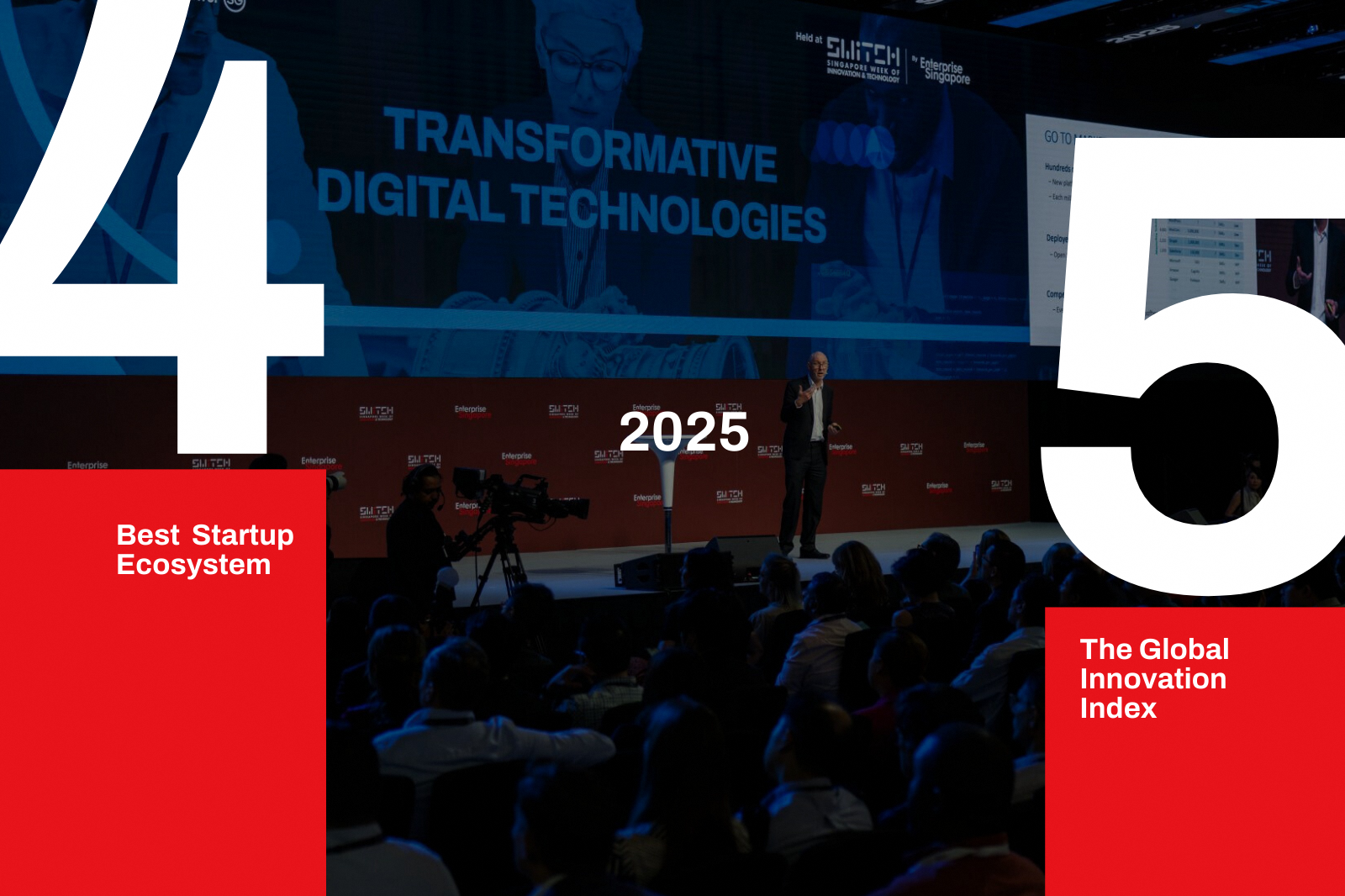
In 2025, Singapore was ranked the 4th best startup ecosystem in the world in the Global Startup Ecosystem Index, and was also ranked 5th globally in the Innovation Index 2025.
Since 2020, Singapore’s ranking as a startup ecosystem climbed from 16th to 4th. This rapid ascent on the global stage cements it as one of the fastest growing startup ecosystems in the world.
In spite of global headwinds – a weaker funding and geopolitical climate – the 2025 Ecosystem Index pointed to Singapore’s conducive business and startup environment as key factors that boosted its ranking and growth as a startup ecosystem. Singapore’s startup ecosystem performed strongly across indicators such as investor presence, access to startup related opportunities, concentration of global ecosystem leaders and corporates, and scale of startup talents.
-

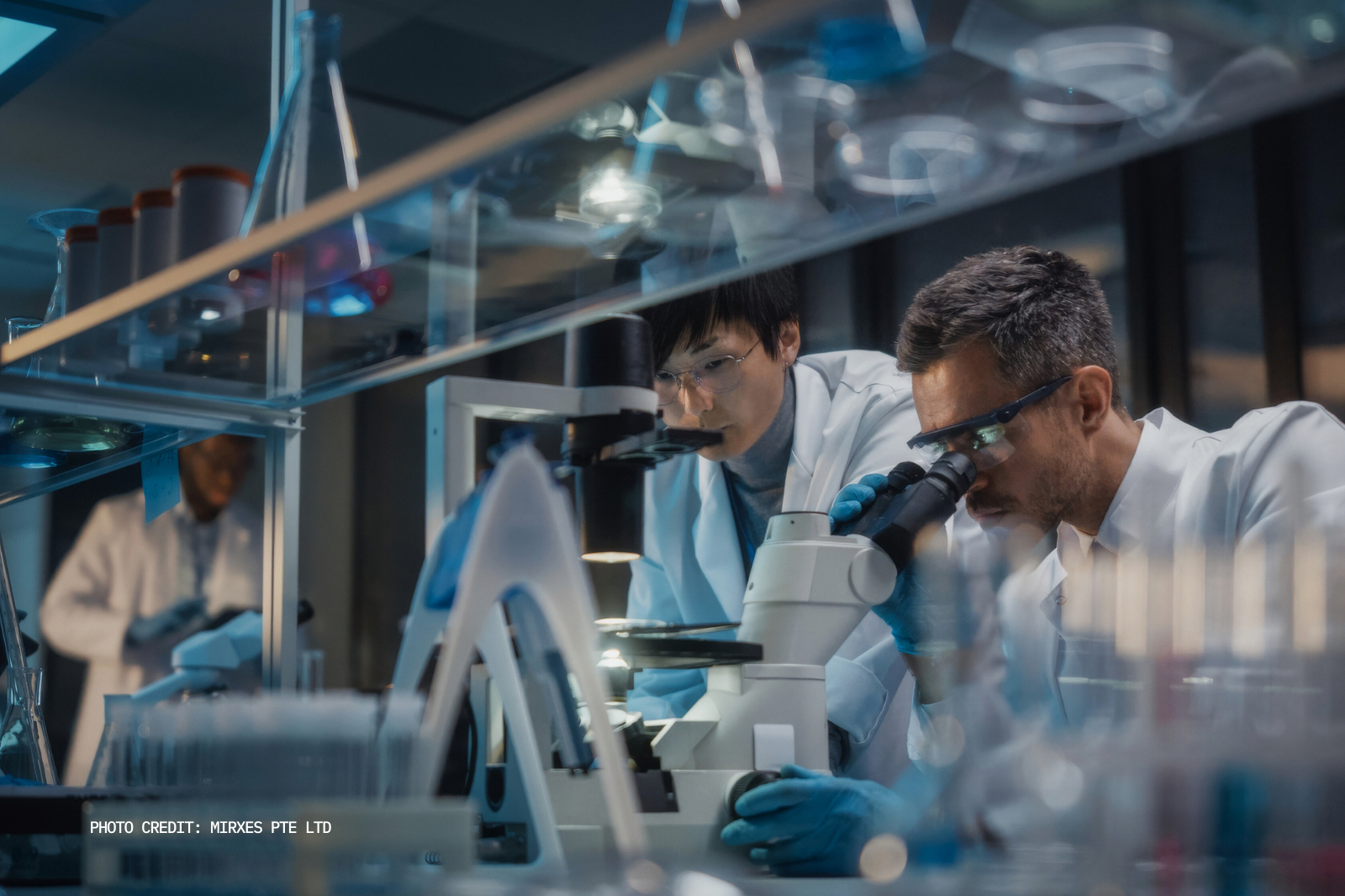
Tan Tock Seng Hospital developed the first COVID-19 PCR test kit in partnership with A*STAR Bioinformatics Institute (A*STAR BII), the Experimental Drug Development Centre (EDDC), and DxD Hub. DxD Hub went on to lead the design, development, production and onboarding of the kit, as well as tech transfer of the production and onboarding expertise to local biotech firm MiRXES.
Advanced MedTech, one of the world’s first vertically integrated urology platform companies with headquarters in Singapore, manufactured the RESOLUTE COVID-19 test kits. The second iteration, RESOLUTE 2.0, eliminated the need for the extraction of the viral RNA from patient test samples, thus minimising potential human errors and shortening the time required to complete the test.
The test kits from these two companies enabled Singapore to scale its daily testing capacity from 2,900 to over 40,000 within the span of a year.
-

Like many industries, medicine moved online, with startups like Dr Anywhere popping up to meet new demand.
The “new normal” and shift in lifestyle has lasted far beyond the pandemic itself, with innovations like telemedicine now being commonplace for many Singaporeans.
-

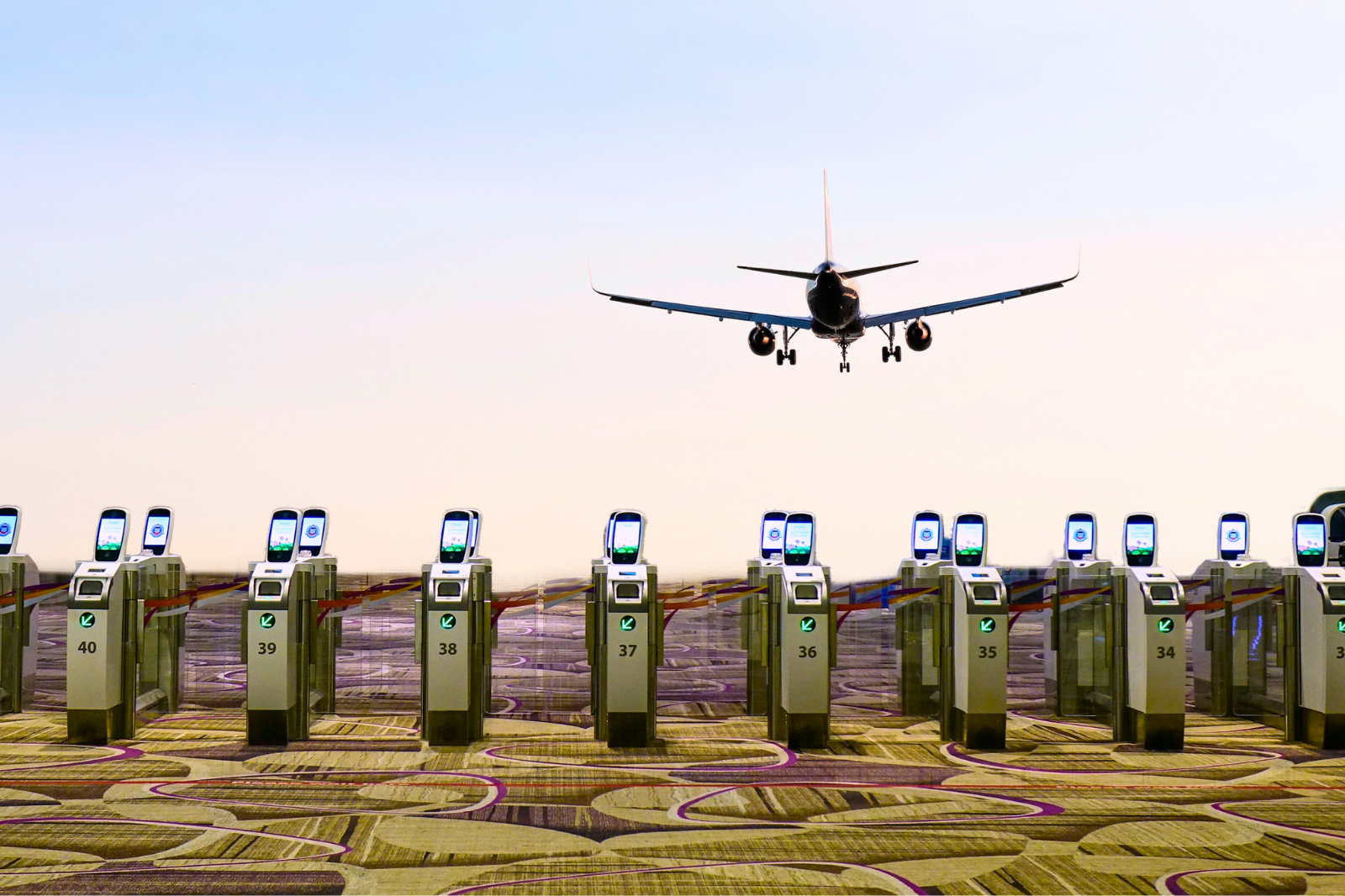
When borders re-opened, Singapore was at the forefront of tech developments enabling travel, and is the first in the world to implement token-less clearance on a large scale.
Under ICA’s New Clearance Concept (NCC), there are now two types of passport-less immigration clearance, to provide travellers with secure, hassle-free and faster clearance.
- Token-less clearance at air and sea checkpoints: All Singapore residents, and departing foreign travellers, clear immigration simply using facial and iris biometrics, without the need to present their passport.
- QR code clearance at land checkpoints: Travellers use a QR code as a token of identification in lieu of the passport to clear immigration.
-

As of 31 January 2025, about 47 million travellers have cleared immigration without having to present their passports.
With the full roll-out of token-less clearance at Changi Airport, the average clearance time for each traveller has been reduced by 60%, from 25 seconds to 10 seconds.
Between March 2024 and March 2025, more than 50.3 million travellers cleared immigration using QR codes at Singapore’s land checkpoints. Comparing the March school holidays in 2024 and 2025, ICA was able to clear 2,000 more travellers per hour (about 10% increase) with the QR code clearance initiative.
At the car zones, more than 30 million travellers have cleared immigration using the QR code at the land checkpoints. This is about 70% of the total number of car travellers.
-

Everyday life has seen changes, many of which are supported by innovations from local SMEs like ChefGenie.
Supported by Enterprise Singapore, it launched Singapore’s first AI-powered automated kitchen solution. These automated kitchens bring restaurant quality meals to residents round the clock. ChefGenie partnered with eight homegrown brands including MICHELIN Bib Gourmand Warong Pak Sapari, Shihlin Taiwan Street Snacks, Springleaf Prata, Takagi Ramen, The Hainan Story.
The pilot launched at JTC’s Punggol Digital District (PDD), Singapore’s first smart and sustainable district that acts as a testbed for smart solutions. ChefGenie’s offerings were brought to its diverse community, spanning JTC’s business park, the Punggol Coast Mall, and the Singapore Institute of Technology.
-

To foster more innovation and provide platforms for startups of all sizes to innovate, innovation centres like the SBS Transit Mobility Innovation Centre, or MINNOVA, were launched.
Established by SBS Transit and Enterprise Singapore (EnterpriseSG), MINNOVA is a hub for academia, startups, small and medium enterprises (SMEs) and industry experts to co-create solutions together. It aims to develop a smarter, more inclusive, and accessible mobility ecosystem.
-

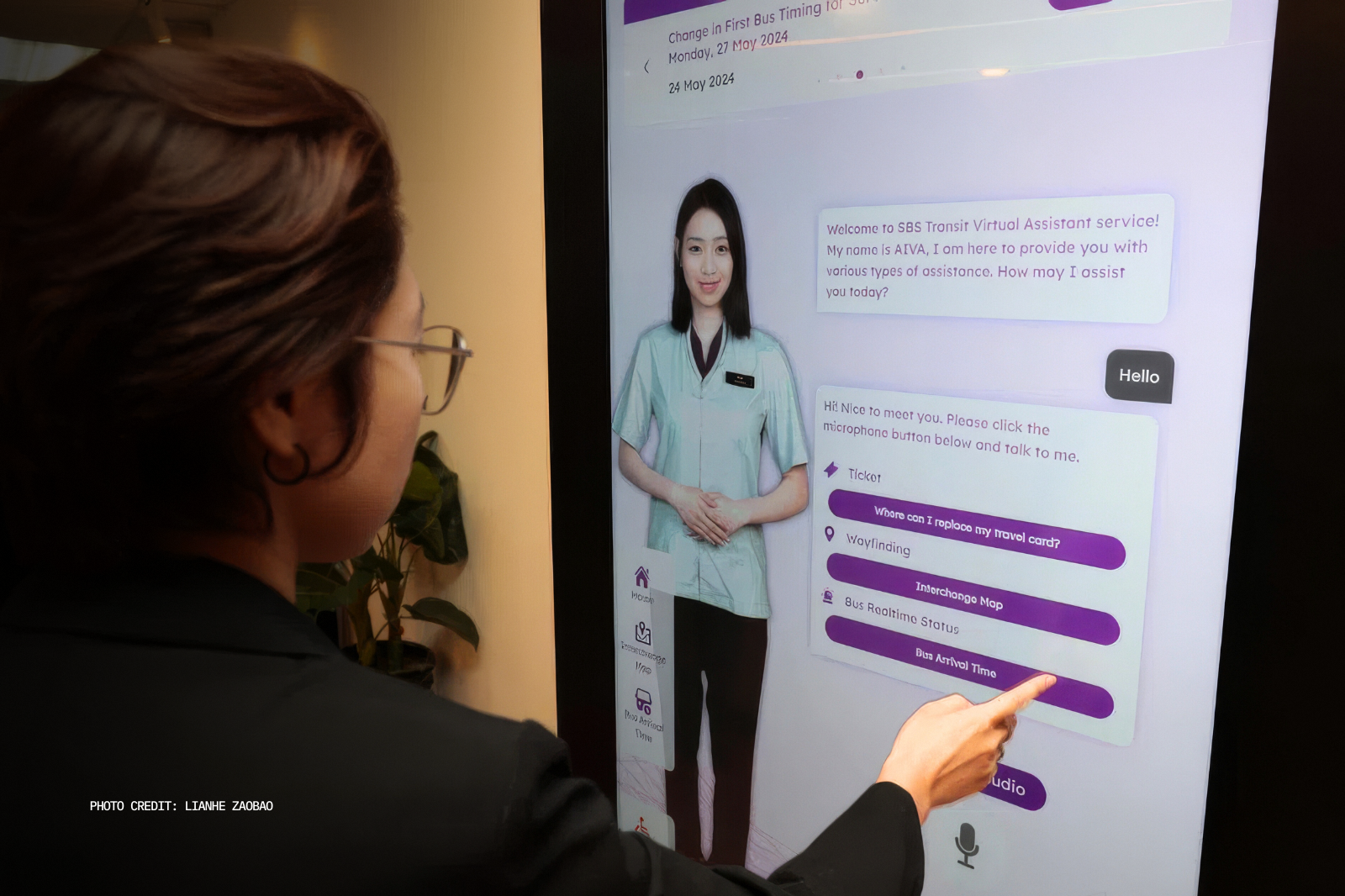
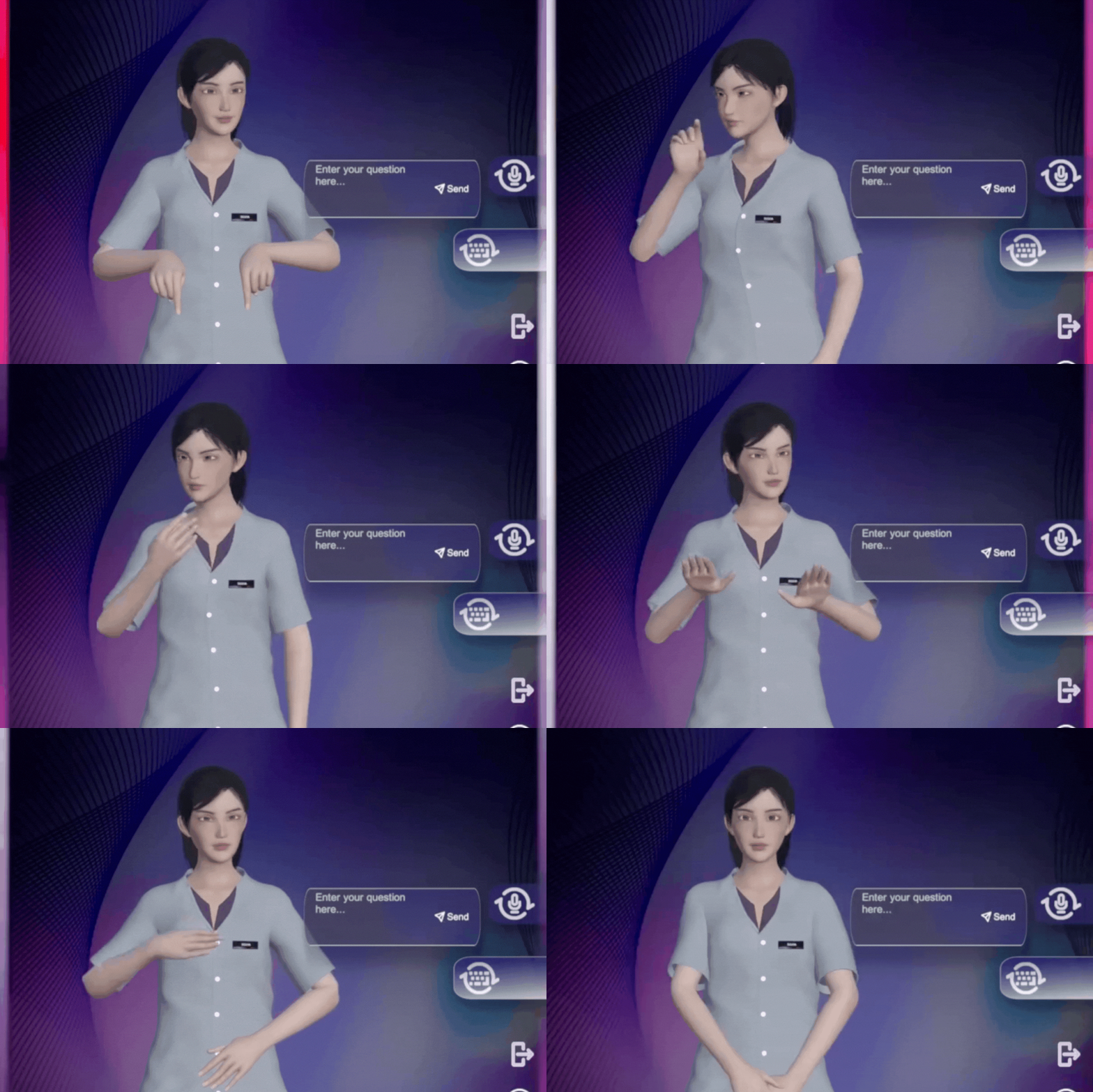
Through MINNOVA, local startup FingerDance and SBS Transit worked together to co-create SiLViA, a sign language virtual assistant (via a kiosk). SiLViA is powered by FingerDance’s AI sign language large language model. She can convert audio announcements into sign language and answer commuting FAQs in both sign language and text.
SiLViA is currently piloted at Chinatown MRT station on the North East Line. The kiosk is able to alert deaf and hard-of-hearing commuters that a station announcement is in effect and translate the announcement into sign language for them. The kiosk and AI avatar can also answer commuters’ questions, allowing them to get travel-related information about the station and the surrounding area.
-

Innovation has been at the heart of Singapore’s growth for the last 60 years, and has helped us thrive alongside global powerhouses. Follow us to see how Enterprise Singapore empowers home-grown businesses to help them transform, innovate, and go global.
-
-
2010s
-

Innovation in Action: the Kiasu Spirit
The 2010s were a decade of firsts. Singapore wasn’t just kiasu – we were ahead of the game.
In its fifth decade of independence, Singapore cemented its place as one of the world’s most prosperous countries, consistently ranked highly in metrics like GDP per capita. Technology became key to ensure we could keep growing, and Singapore was often at the forefront of new developments, research, and innovations.
-

In 2010, PUB's Variable Salinity Plant (VSP) was named the global winner in Applied Research category at the International Water Association (IWA) Project Innovation Awards. The award acknowledged the plant's innovative approach to processing rainwater during wet season, and shifting to seawater desalination during dry season, thereby maximising efficiency in water use. The VSP underpins the operations of the Keppel Marina East Desalination Plant (KMEDP) which was commissioned in 2020.
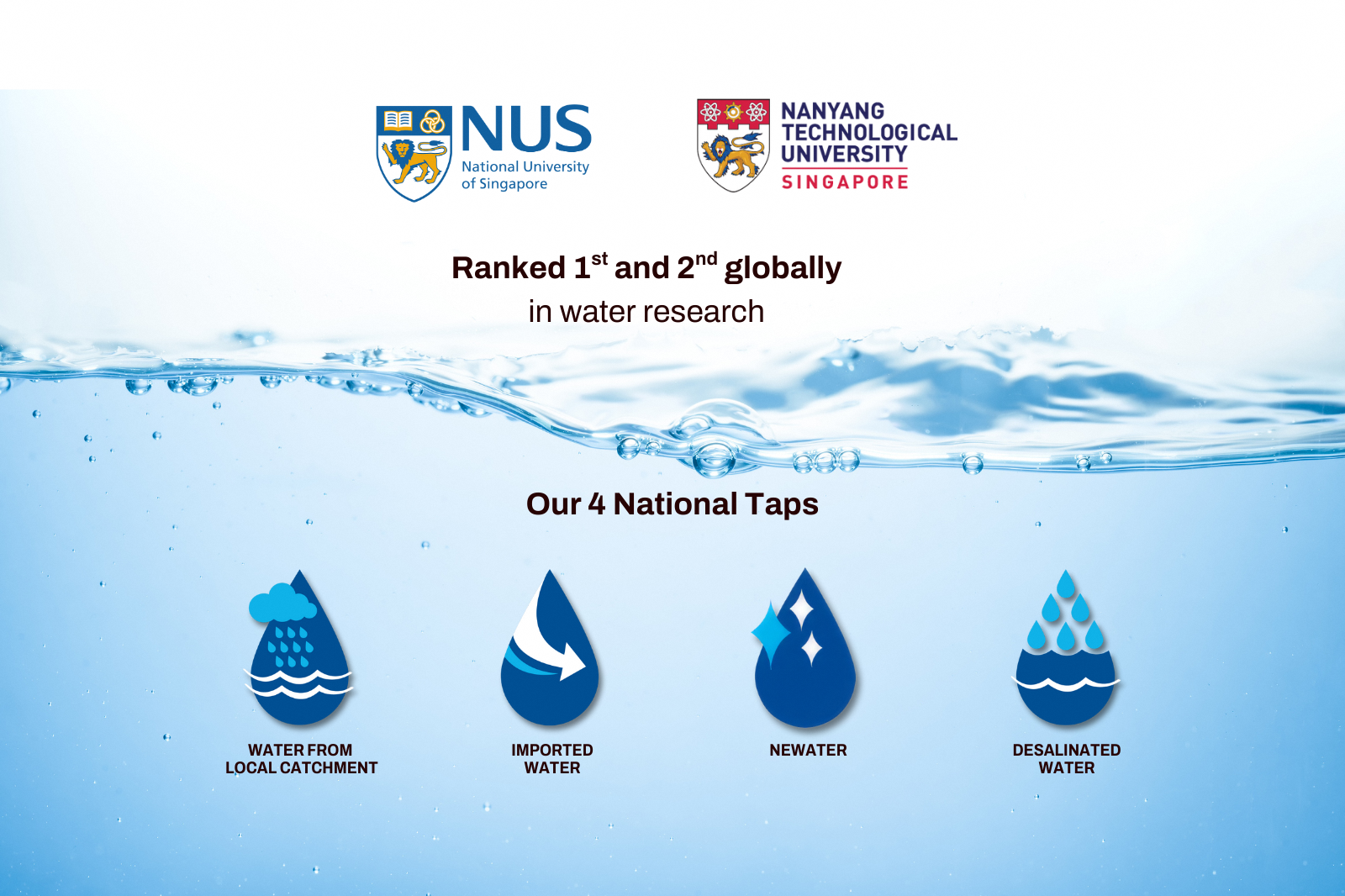
With strong R&D, Singapore was recognised as a global leader in water technologies. In 2013, the research institutes in NUS and NTU were ranked first and second respectively in a ranking of top global universities in water research by Lux Research.
By 2016, Singapore’s water ecosystem comprised around 180 water companies and 26 research centres spanning the entire water value chain.
-

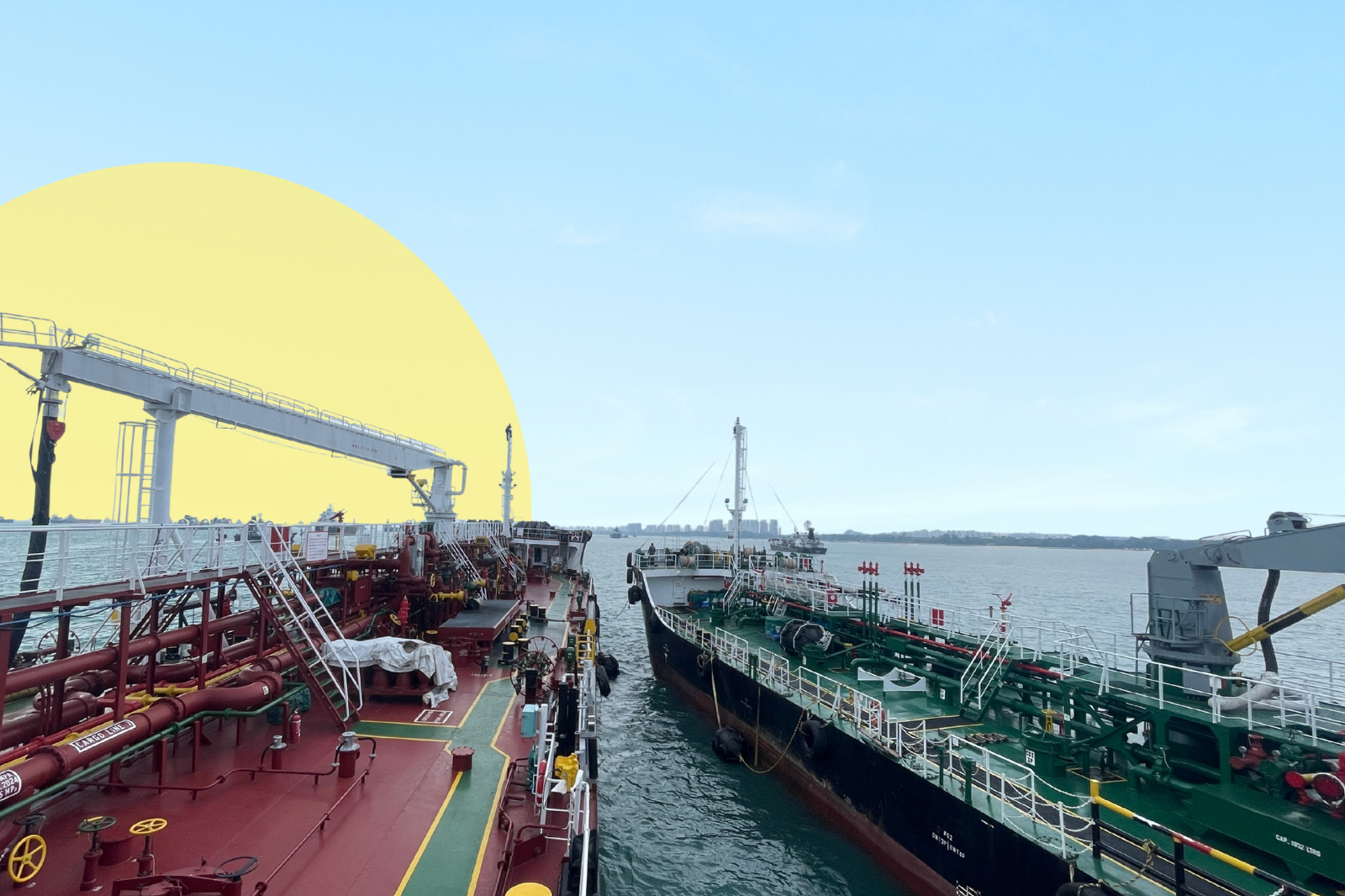
Despite not having oil and gas as natural resources, Singapore has developed itself as an established petrochemical hub. Singapore also became a world leader in bunkering and continued to implement new technologies to maintain its edge.
In 2014, Singapore became the world’s first port to mandate the use of mass flow metering (MFM) systems which ensures accurate measurements during bunkering, while increasing transparency and operational efficiency.
The mandatory implementation of MFM for marine fuel oil bunkering took effect from 1 January 2017 and was later extended to distillate bunker deliveries from 1 July 2019.
Innovation powered large-scale developments in our infrastructure on land and on the seas. To ensure our infrastructure could meet public demand, various agencies spearheaded innovations that would put Singapore on the map.
-

The use of MFM systems improved the bunkering process by providing accurate, real-time measurements of fuel delivered, reducing the risk of human error or tampering. By automating the measurement process, it minimises disputes between suppliers and buyers, strengthens transparency and trust, and accelerates bunkering operations. This is key to maintaining our competitiveness and reputation as a trusted, efficient, and leading bunkering hub.
-

Another first in the region, the Jurong Rock Caverns was the pioneer commercial underground rock caverns facility for the storage of liquid hydrocarbons.
Located around 150m beneath the Banyan Basin on Jurong Island, JRC can store up to 1.47 million m3 of liquid hydrocarbons such as crude oil and condensate. By utilising subterranean spaces for storage, JRC not only enhances the security of the products in storage, it also translates to a saving of approximately 60 hectares of land above ground, which can be used for higher value-added activities such as petrochemicals manufacturing activities.
-

As we continued to grow and industrialise, sustainability became an increasing area of focus, as we needed to mitigate the effects of climate change to our tropical home.
In 2018, HDB and A*STAR developed the Integrated Environmental Modeller (IEM), a first-of-its-kind advanced modelling tool. Simulations of how environmental factors such as solar heat and wind flow interact in urban settings aided planners in optimising HDB estates.
-
.png?h=1066&iar=0&w=1600&hash=36BA09C9EE273A910F4715953A3E7D6A)

The IEM was used in Tengah and Punggol Northshore estates to design open spaces and optimise the building layouts and orientation to enhance wind flow and promote natural ventilation. More greenery was also introduced in selected areas to mitigate heat gain and lower the ambient temperatures.
-

Once again a first-mover in the region, Singapore opened the Eco-Link@BKE in 2013 to provide wildlife such as pangolins, monkeys and civets, a safe crossing. It was the first of its kind in SEA.
62m long and 50m wide, the hourglass-shaped ecological bridge spans the Bukit Timah Expressway, and links Bukit Timah Nature Reserve with the Central Catchment Nature Reserve.
-

Singapore is now the premier startup destination in the region. To learn more on how we continued to set ourselves apart, watch this space!
-
-
2000s
-

Innovation in Action: Land and Sea
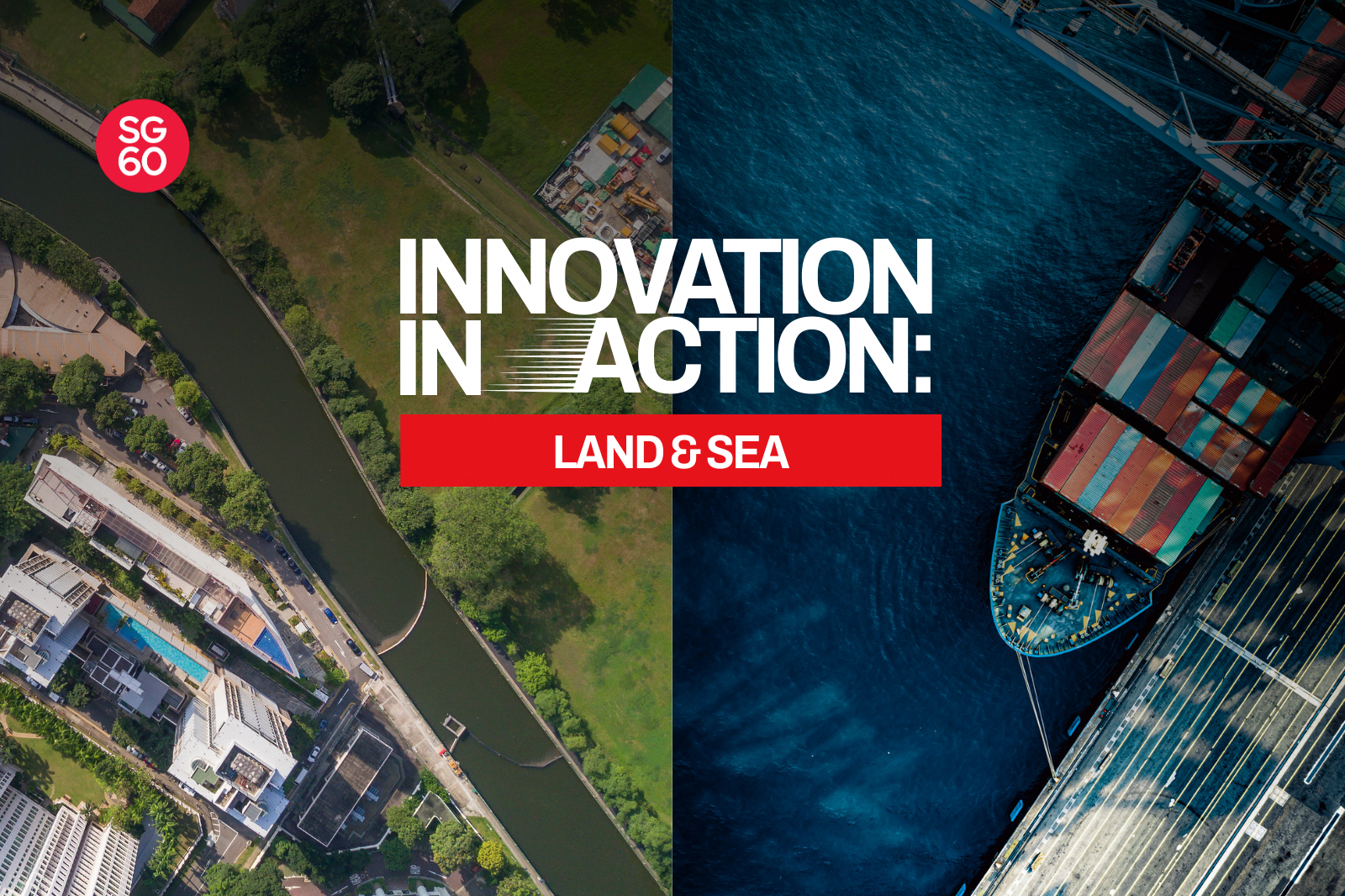
Innovation powered large-scale developments in our infrastructure on land and on the seas. To ensure our infrastructure could meet public demand, various agencies spearheaded innovations that would put Singapore on the map.
-

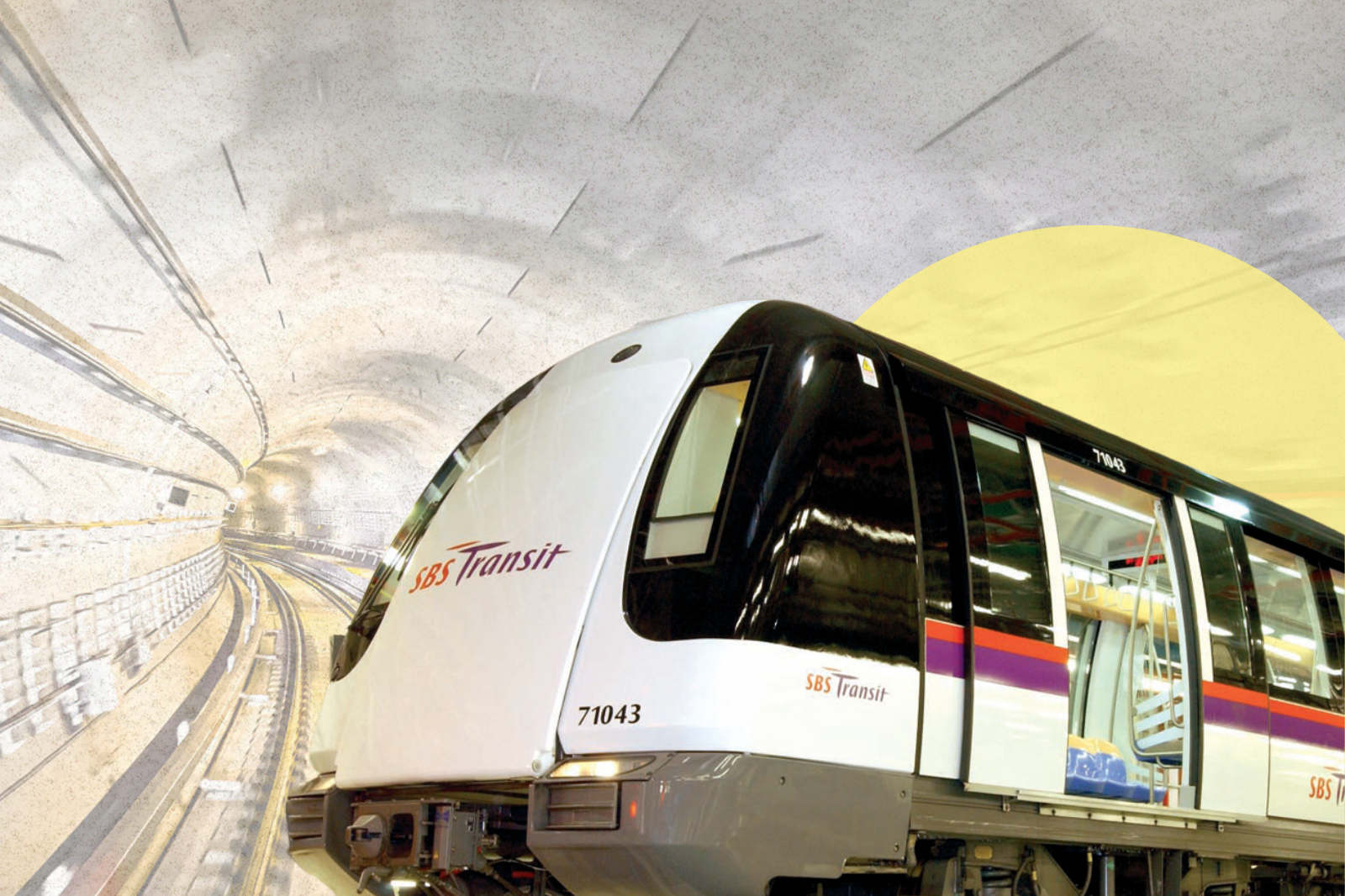
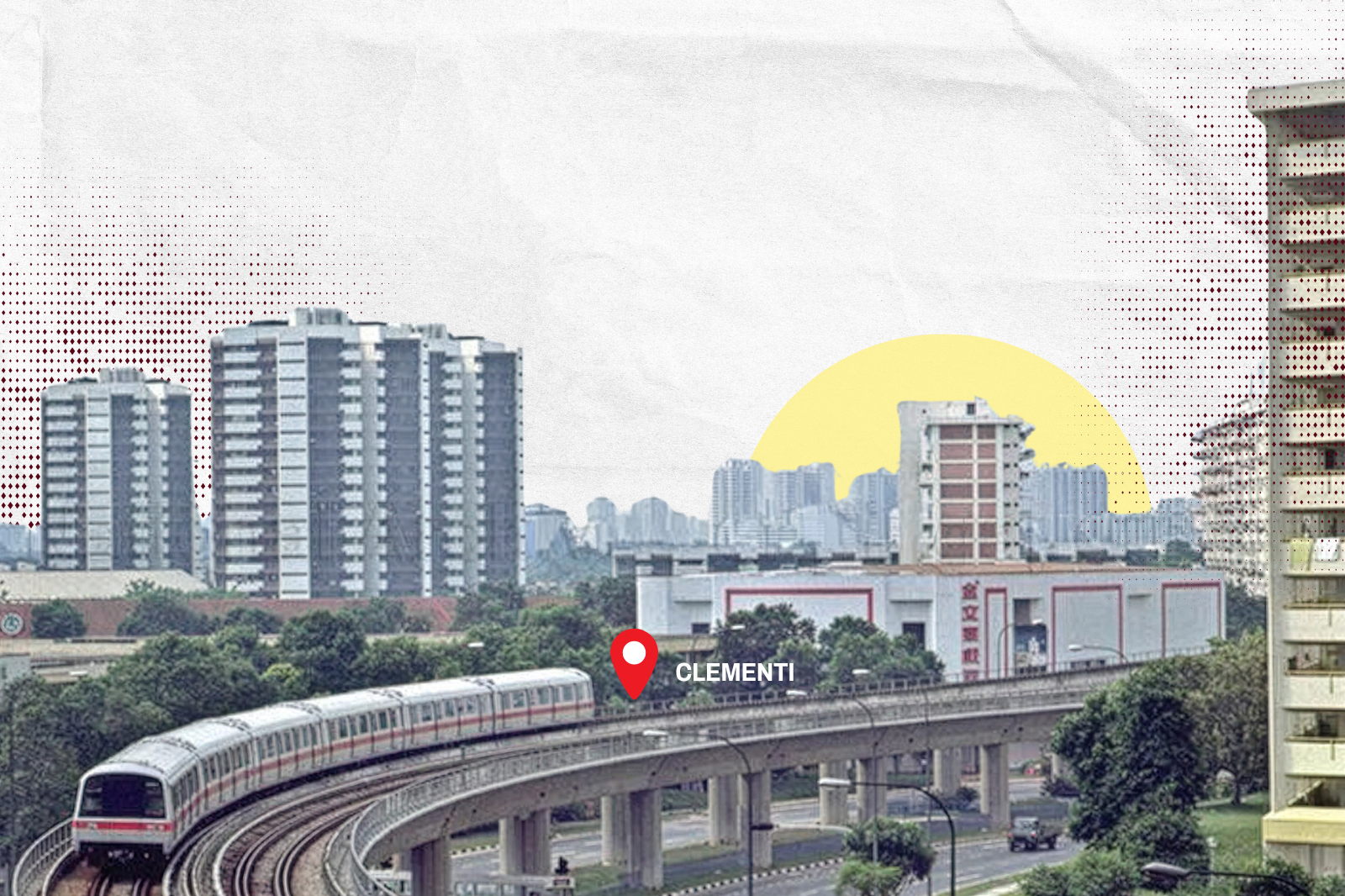
Taking a hands-off approach to public transport – the NEL was the world’s first fully automated heavy rail rapid transit line. Launched in 2003, the line featured Singapore’s first driverless trains.
-

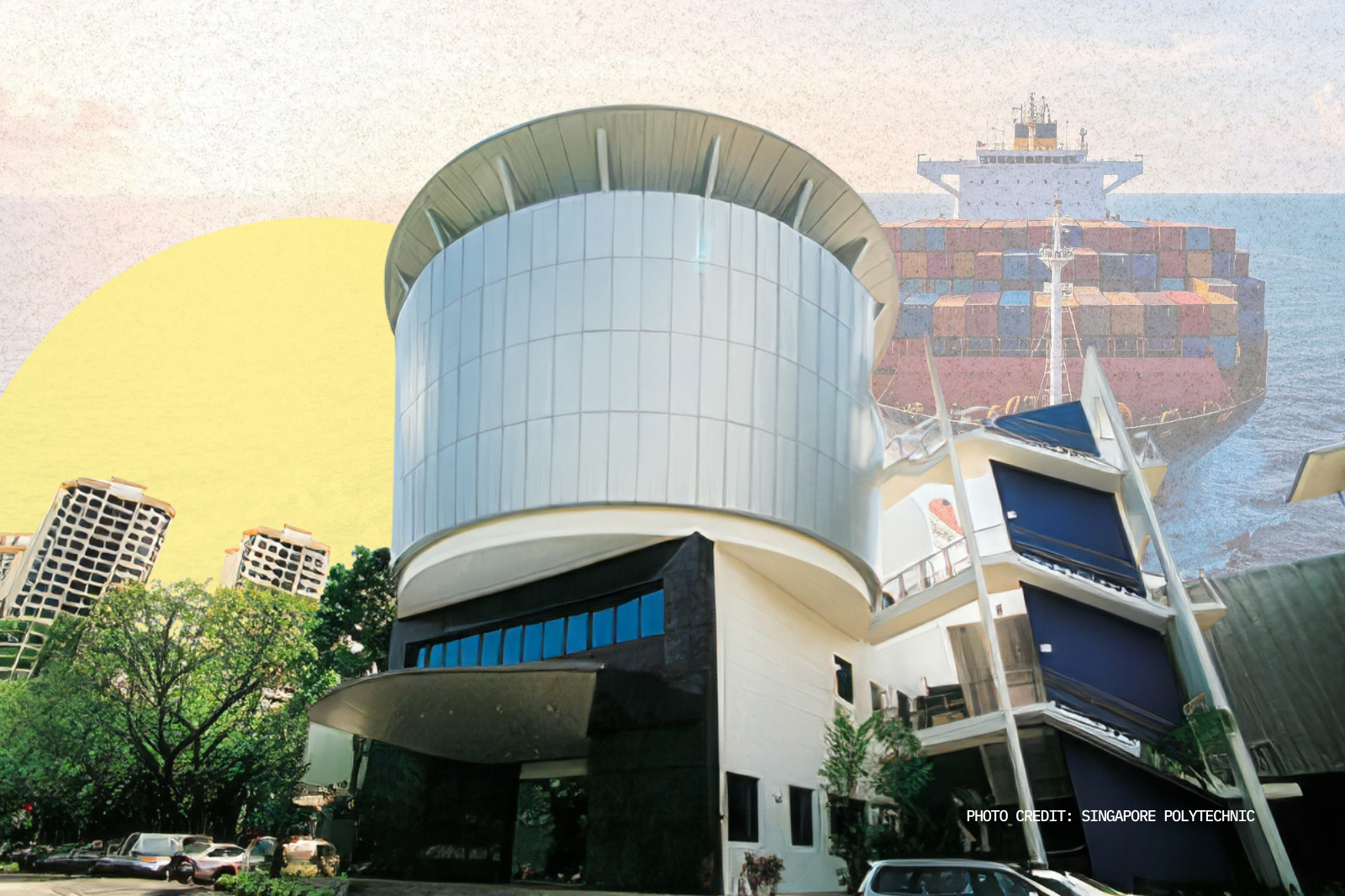
While the startup scene was nascent, Singapore was advancing in technology in other ways. The Integrated Simulation Centre (ISC) was launched in 2001 through a collaboration between the MPA and Singapore Polytechnic.
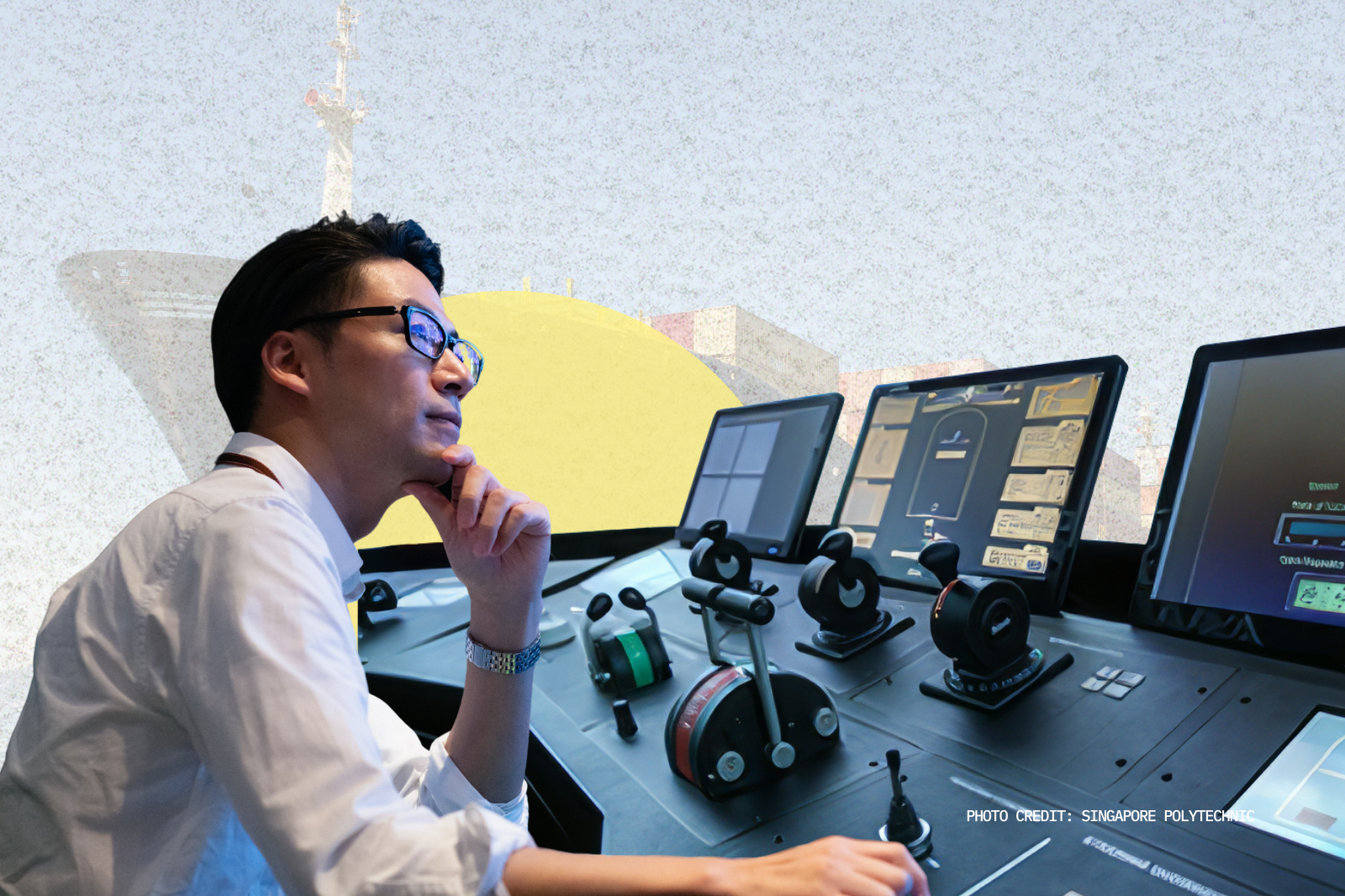
The first of its kind in the region and one of the most advanced maritime simulation centres in the world, the ISC offered diverse, realistic scenarios for training ship officers and crew in a risk-free environment.
The ISC helped enhance navigational safety within Singapore’s port waters while keeping training costs low for the shipping industry.
-

The ISC has various simulators including:
- Full Mission Shiphandling Simulators (FMSS): trains shipmasters and pilots in maneuvering vessels of various types and sizes at sea or in port waters.
- Engine Room Simulator (ERS): features a full mission engine room of a large tanker to train crew in operating and troubleshooting ship engines safely.
- Crisis Management Simulator (CMS): trains ship and shore-based personnel to handle marine emergencies such as managing oil and chemical spills.
-

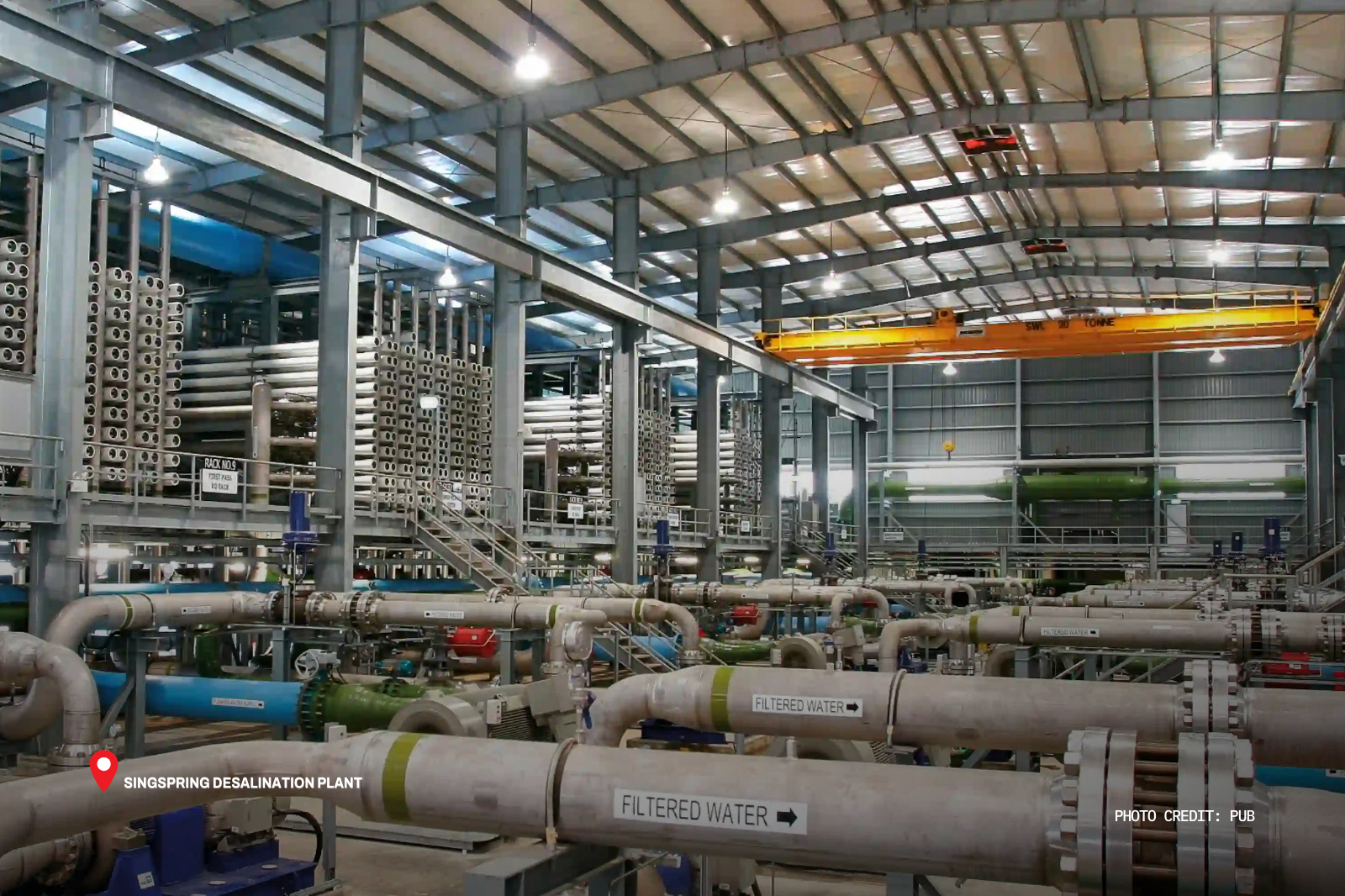
The sea also held the key to Singapore’s water security. The opening of SingSpring Desalination Plant, PUB’s first desalination plant, in September 2005 established Singapore’s fourth National Tap – Desalinated Water. Singapore adopted reverse osmosis for its desalination, to make seawater drinkable.
-

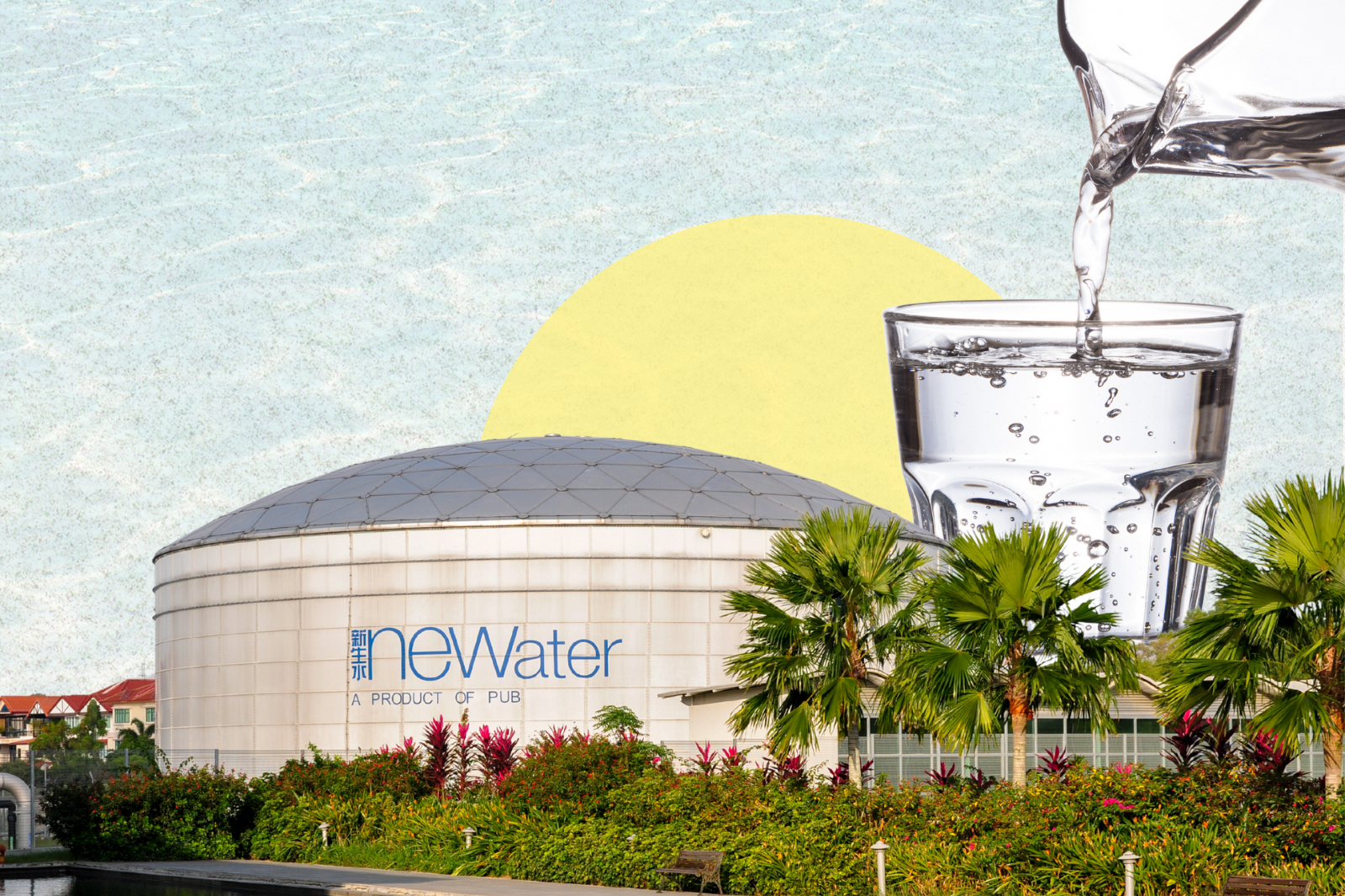
NEWater was also a 2000s innovation, launched to the Singaporean public when 60,000 people toasted the nation’s birthday at the National Day Parade with bottles of NEWater. In 2003, the first NEWater Factory in Bedok was launched.
-

To create a conducive environment for continued innovation, the Startup Enterprise Development Scheme was launched. A co-investment programme for innovative Singapore startups, today SEEDS operates under SG Growth Capital and continues to co-invest in early-stage startups to strengthen the local startup ecosystem.
-

To learn more about how Singapore’s innovation stretches across our island and across the decades, watch this space!
-
-
1990s
-

Innovation in Action: The Decade of Digitalisation
Kicking off the decade of digitalisation, the first National Technology Plan was launched in 1991, setting the stage for Singapore to become an innovation-driven economy.
-

The five-year, S$2 billion National Technology Plan was unveiled by then Deputy Prime Minister Lee Hsien Loong in September 1991. It laid out a clear blueprint “to develop Singapore into a centre-of-excellence in selected fields within S&T so as to enhance our national competitiveness in the industrial and services sectors”.
-

Now well-connected to the rest of the world by air, land, and sea, the 1990s also saw a connection of a different kind. Singapore’s first Internet Service Provider was set up in this decade.
-

TechNet was established in 1991. It was a closed research and development computer network for academics at the National University of Singapore, set up by the National Science and Technology Board of Singapore (NSTB), now known as the Agency for Science, Technology and Research (A*STAR).
-

Singapore’s first Internet access service for the public was launched by SingTel in July 1994. Called SingNet, it offered access to the Internet, an e-mail service, and a collection of Internet news articles known as UseNet News.
-

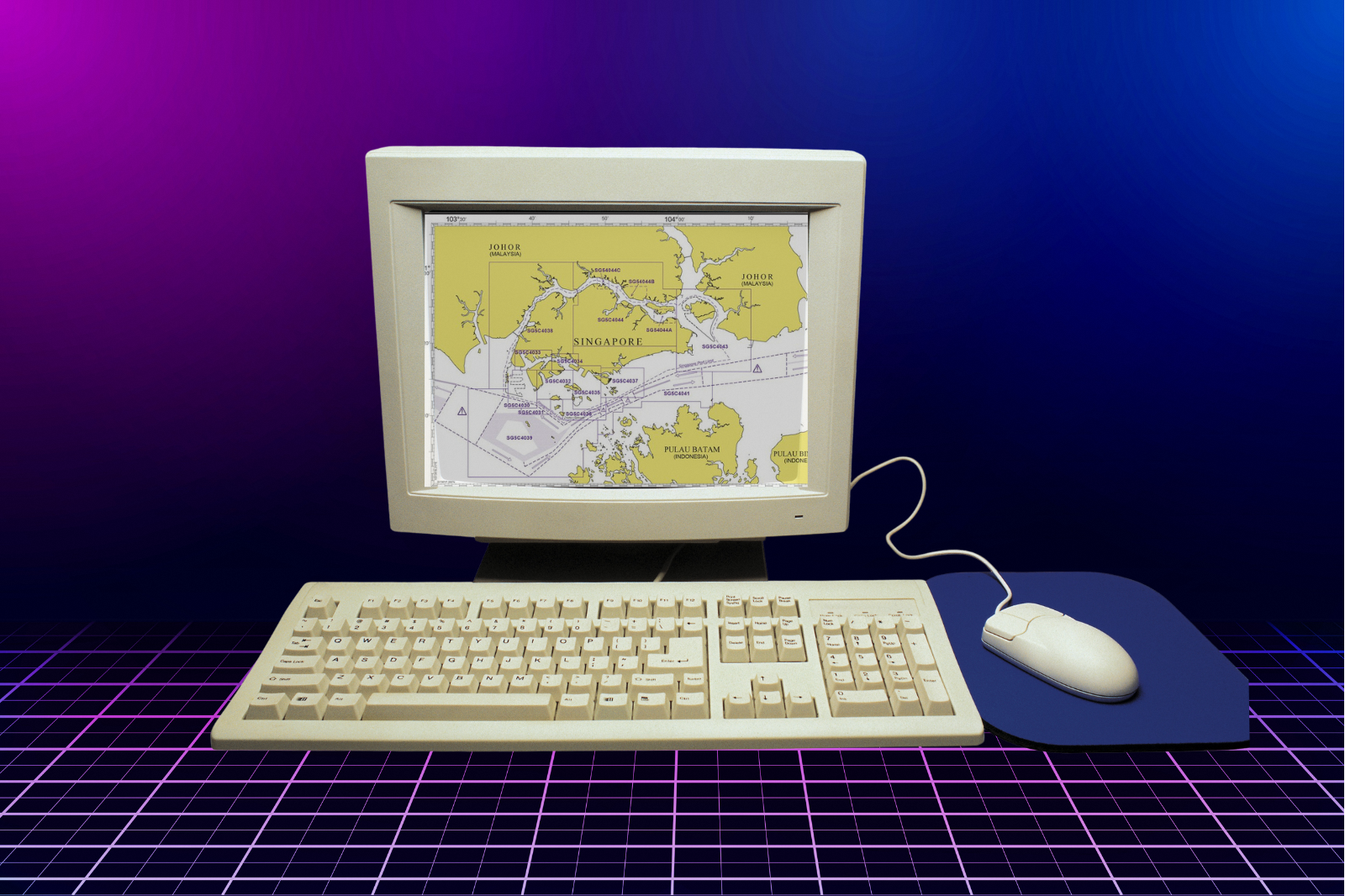
MPA launched the first edition of the Singapore Electronic Navigational Chart (Singapore ENC) in 1998, making Singapore among the first in the world to produce an ENC compliant with international standards available for commercial use.
The shift from traditional paper charts to digital ENCs provided additional dynamic hydrographic and navigational information. This enabled the shipping industry to make more informed decisions, automate processes such as plotting of ship positions, and enhance navigational safety and efficiency.
Further innovation took place in 1999 with Marinet, a system MPA introduced for digital vessel clearance at a time when many ports were still relying on manual processes. This digitalisation streamlined port operations, reducing processing time, resources, and potential errors associated with manual checks.
Ranking consistently among the world’s busiest ports in the 1990s, these innovations cemented Singapore as the go-to port for players all around the world.
-
.png?h=1066&iar=0&w=1600&hash=0813002032F9D3CC44FB74121DE61704)
To find out more on the innovations that continued from Singapore’s decade of digitalisation, watch this space!
-
-
1980s
-

Innovation in Action: All Roads Lead to Home
Millions of passengers commute around Singapore every day, and millions more move through our airport. Along with the opening of Changi Airport and the launch of the MRT lines, Singaporeans were more connected than ever – particularly with the world.
-

Did you know how long was the first MRT line launched in Singapore?
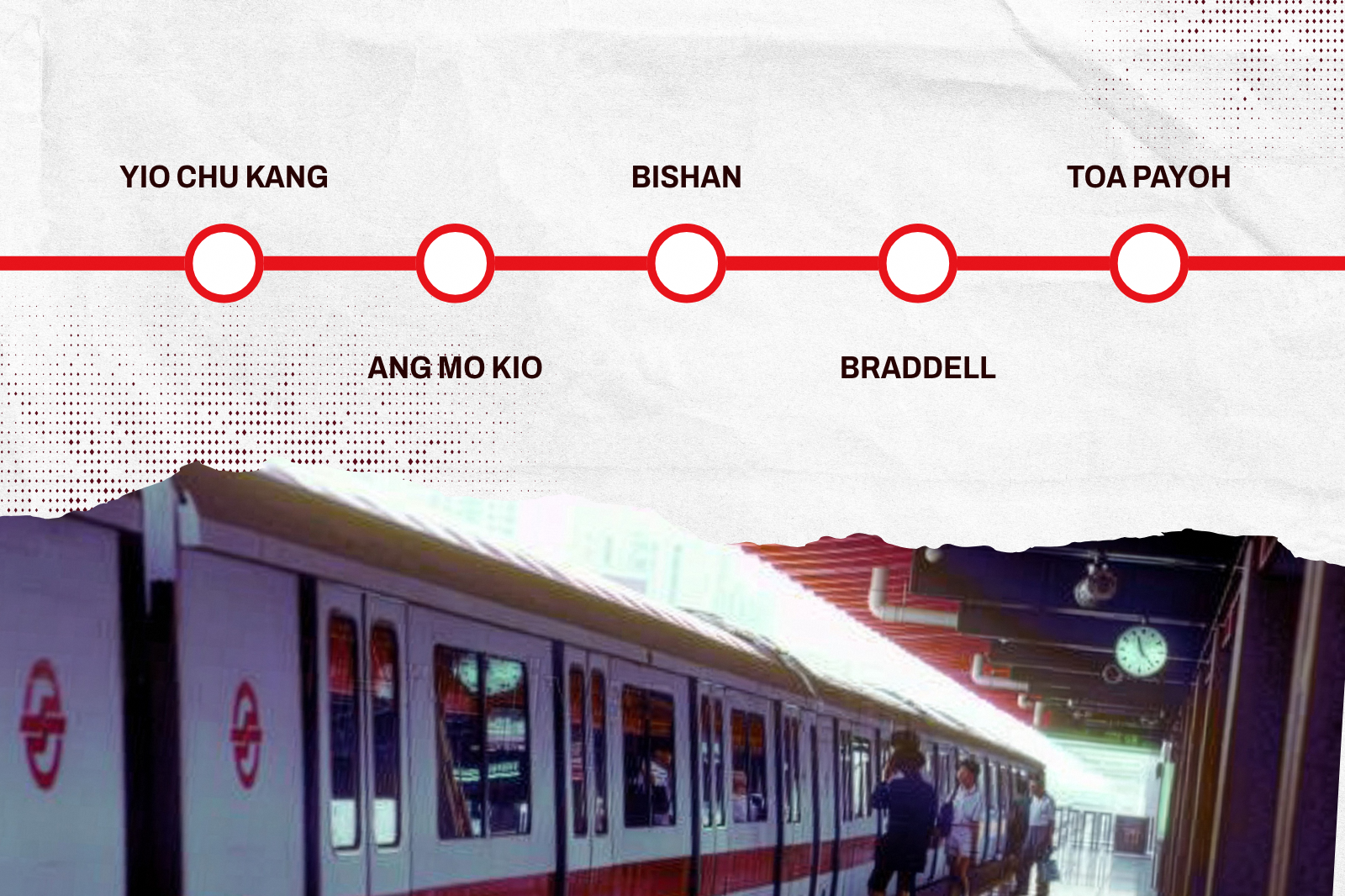
The North-South MRT Line was opened in 1987 and was only 6km long. The five stations along the line at the time were Yio Chu Kang, Ang Mo Kio, Bishan, Braddell and Toa Payoh.
Today, we have over 140 operational MRT stations across 6 lines!
-

Following the North-South Line, the East-West MRT Line was opened in 1988. By 1988, MRT ridership exceeded 200,000 riders a day, allowing unprecedented mobility for Singaporeans across the island.
-

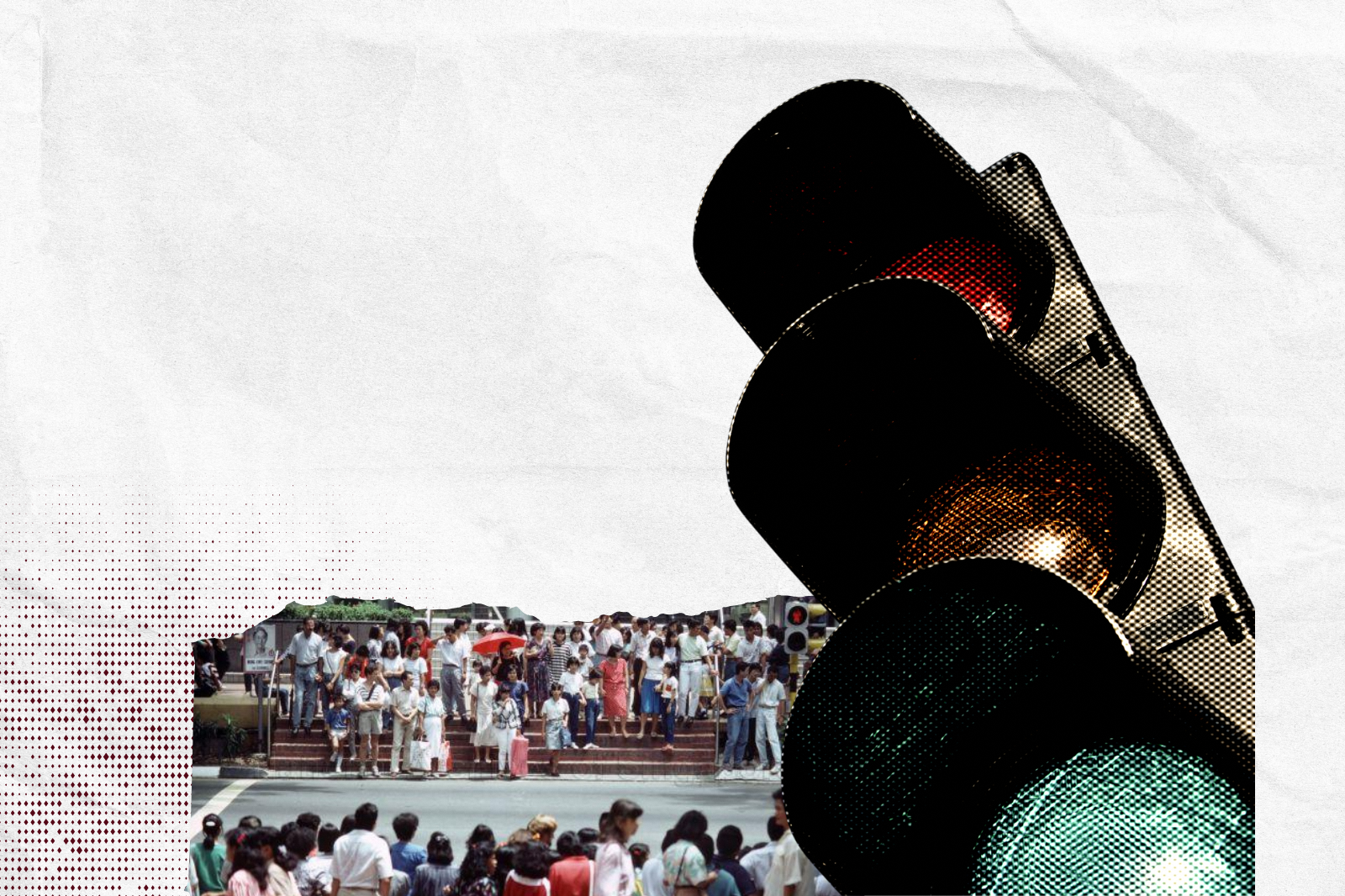
On our roads, Area Traffic Control was installed, which linked a central computer to 181 traffic signals. The control centre could now manage and monitor the lights, though there were still limitations in coping with changing traffic conditions.
In 1988, the Green Link Determining (GLIDE) system was born. Adopted from Australia’s SCATS (Sydney Coordinated Adaptive Traffic System), the system controls all traffic signals in Singapore.
GLIDE keeps traffic flow optimal by adjusting the timing of green lights to allow vehicles to travel from one junction to another with minimal stops. Priority is given to the direction with the higher volume of traffic, allowing for smoother traffic flow for all motorists.
-

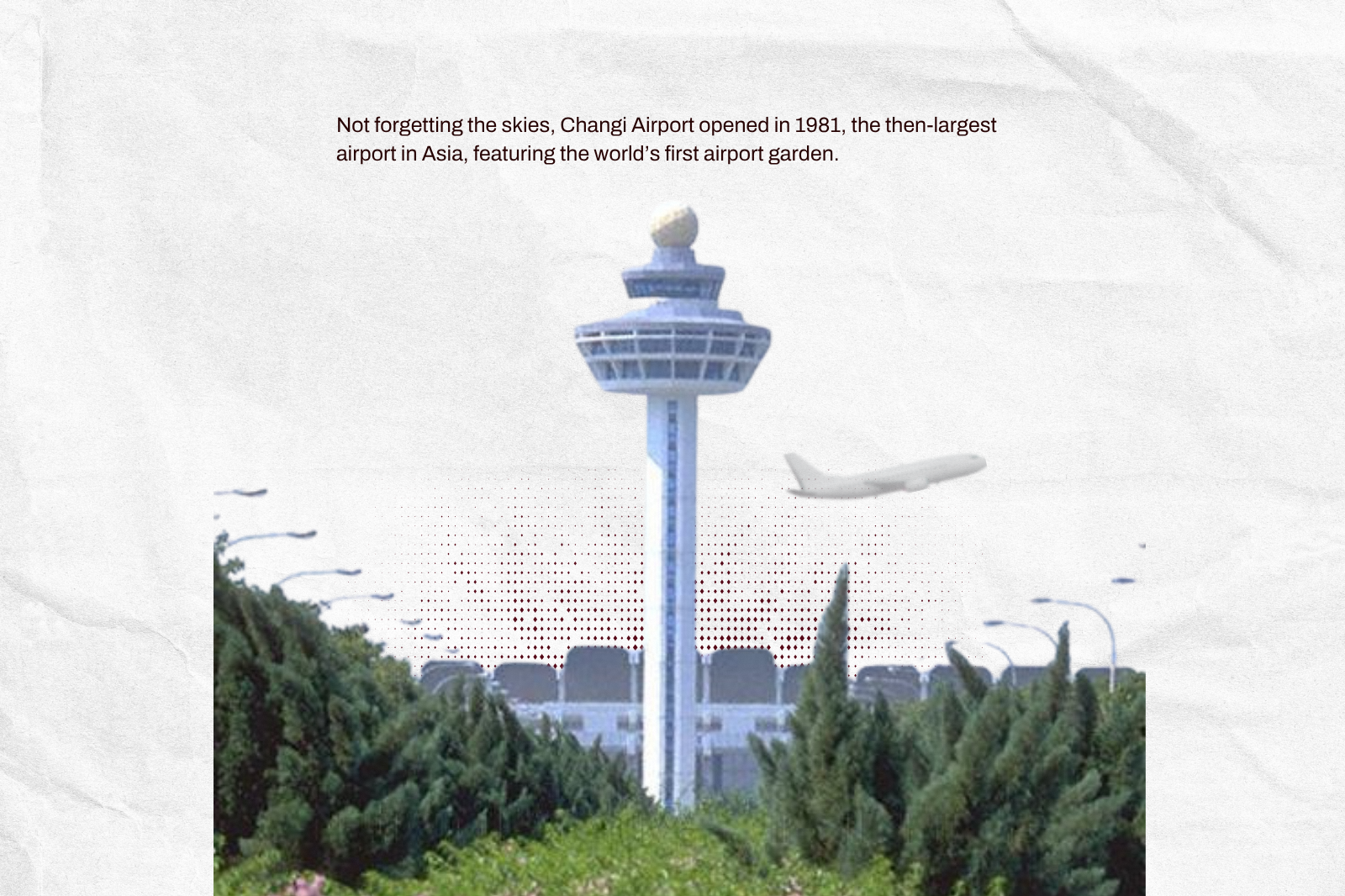
The 1980s was also when Changi Airport began operations, then the largest airport in Asia alongside Tokyo’s Narita Airport.
It was the first to introduce the concept of airport gardens, as well as the first to allow passengers to make free local telephone calls in transit, and more.
By 1988, Changi Airport won its first “Best Airport” title, awarded by Business Traveller UK.
-

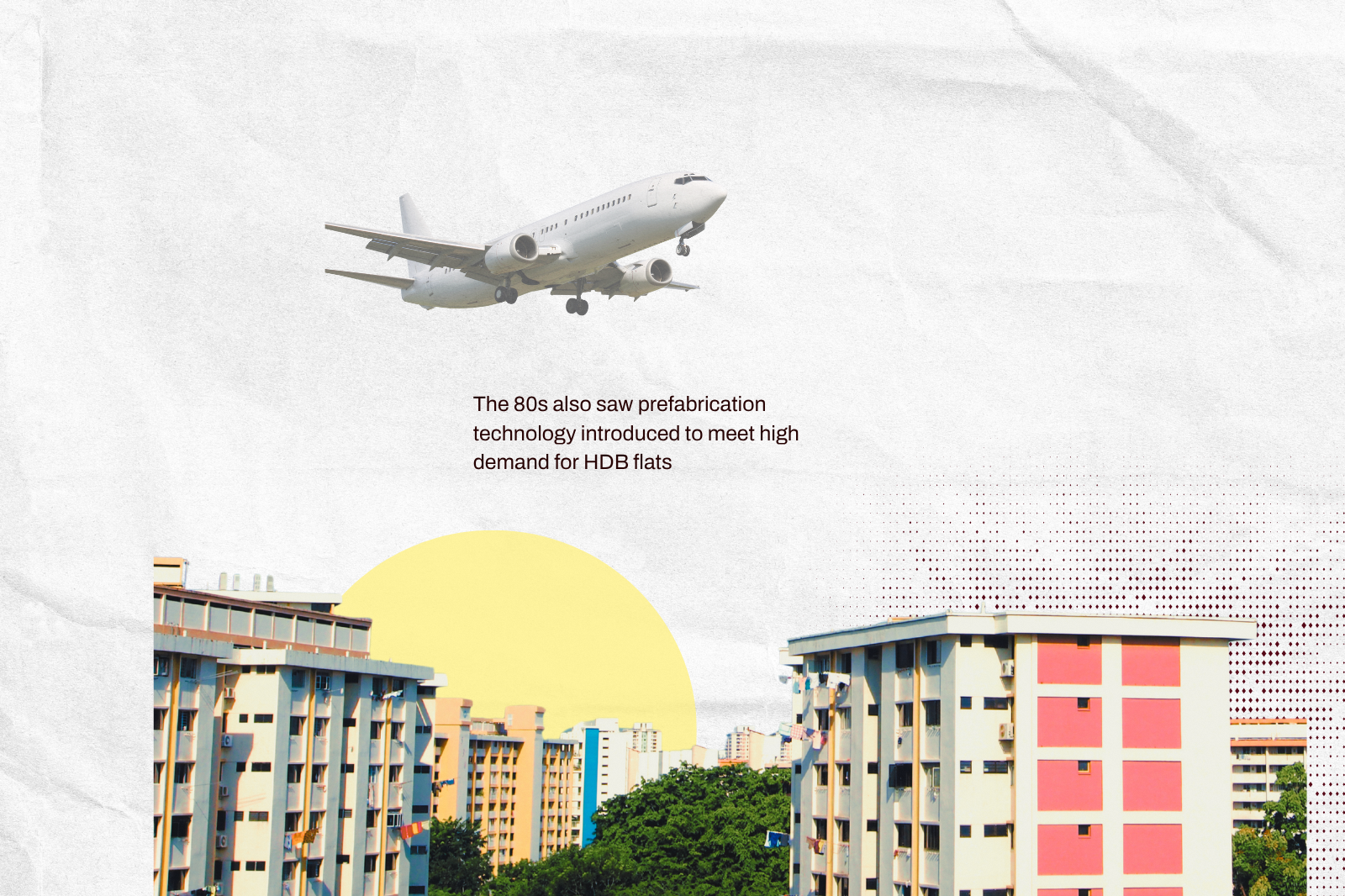
After jet-setting around, everybody looks forward to going home. Back in Singapore, we were exploring more advanced technology with houses. Moving away from traditional cast-in-situ methods, HDB adopted prefabrication technology in the 1980s to increase construction productivity and meet the housing demands of a growing population.
-

Singapore moved through the 80s with innovation. To see how we continued to grow, watch this space!
-
-
1970s
-

Innovation in Action: The Blueprint
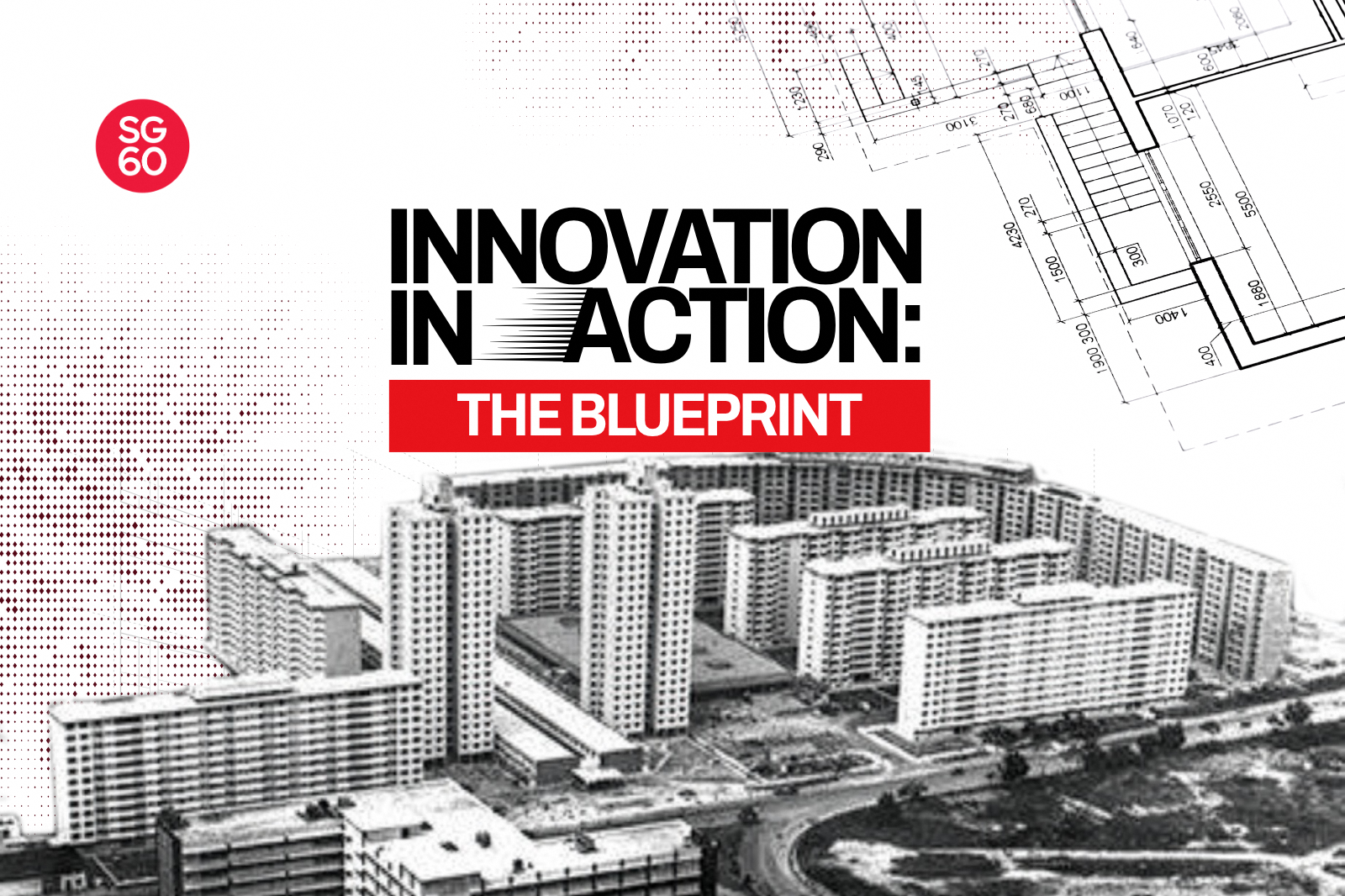
With efforts to tackle the basics of housing and employment, the Singapore we know and love today was beginning to take shape.
The 1970s formed the blueprint for modern day Singapore, with these early innovations informing the foundation that would shape much of Singapore’s trajectory in the following decades.
-

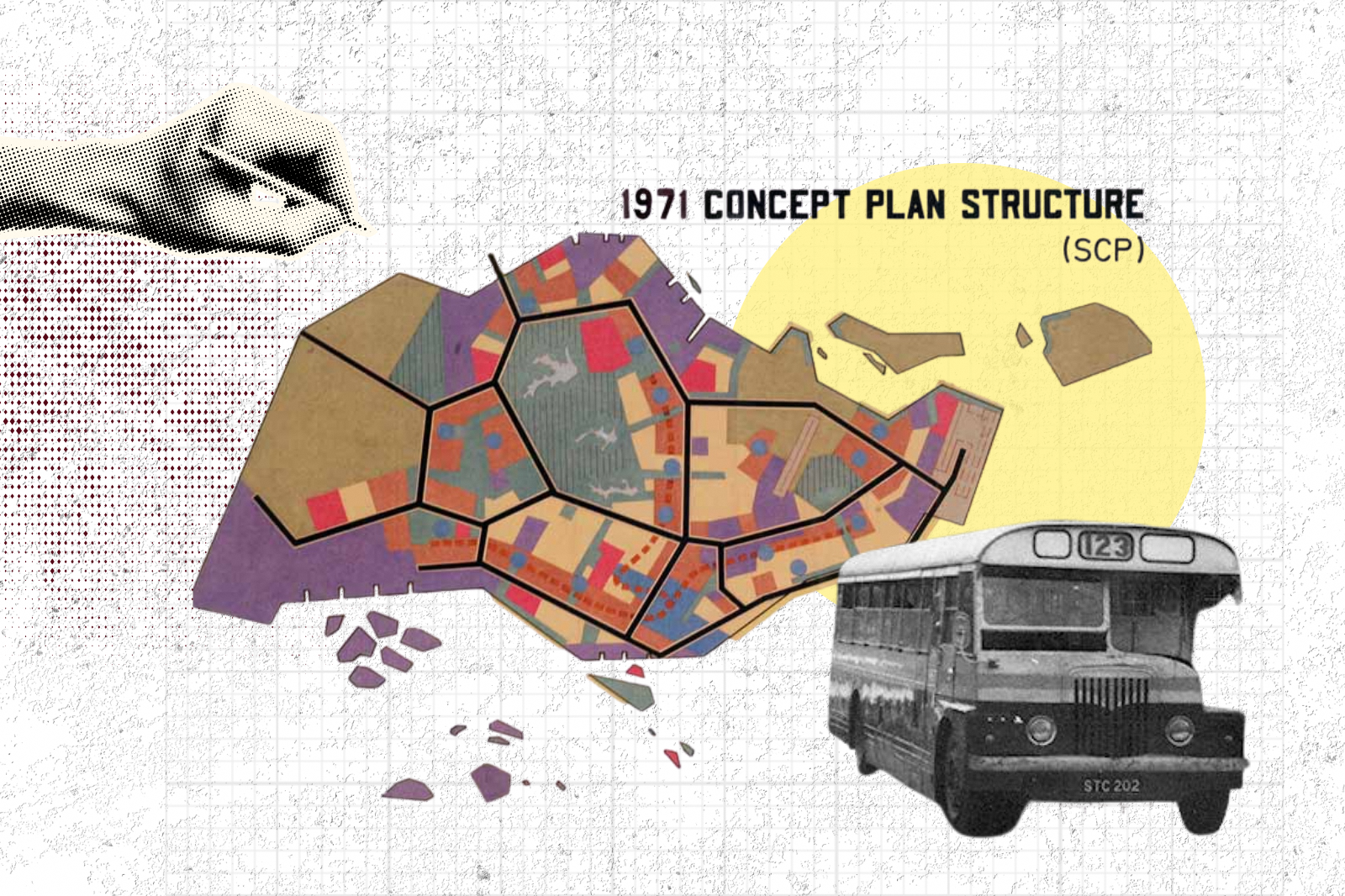
The first Concept Plan, developed in 1971, laid out strategic land-use and transportation plans that would prove vital to Singapore’s development today. Key transport hubs such as Changi Airport, our MRT system and expressways, were all outcomes of strategies put forth in the 1971 Concept Plan.
The plan involved over 100 local and overseas urban planners, architects, civil servants and academics between 1967 and 1969.
-

HDB shifted from building basic homes to developing comprehensive towns with a wide range of amenities, such as schools, shops and parks, to create a convenient and quality living environment for residents. Ang Mo Kio, which started development in the 1970s, adopted this planning approach.
Ang Mo Kio was comprehensively planned based on the neighbourhood concept – to create a self-sufficient environment conducive for living, working, playing, and learning.
Today, there are a total of eight neighbourhoods planned within Ang Mo Kio Town. Each of them is served by their Neighbourhood Centres and a large Town Centre spanning over a 29-hectare site. Apart from residential developments, land is also used and planned for a full range of complementary developments including commercial, educational, recreational, institutional and industrial development.
-

In the 1970s, we began implementing technology to control traffic across more streets and to ease manpower. The first 36 traffic signal controllers were linked by cables laid under footpaths, to create “corridors”. Two pairs of one-way streets were connected to a master controller device that used an assumed vehicle speed and fixed intervals between green lights.
By the late 1970s, microprocessor controllers were the latest tech. With no need for physical cables to connect the traffic lights, more ‘corridors’ could be linked across more junctions and streets.
-

The 70s laid much of the groundwork for the Singapore we know and love today. To find out more on how we build upon these foundations and continued to innovate, watch this space!
-
-
1960s
-

Innovation in Action: The Journey Begins
Singapore’s journey since independence is the story of an underdog, one with few resources beyond its people and their innovative spirit.
Over the past 60 years, Singapore has grown from a small trading island into a first world nation that is now making its mark on the global stage. One that is at the forefront of cutting-edge discoveries. Innovation has played a key role in this.
Here’s how Singapore’s first chapter of innovation began, all the way back in the 1960s!
-

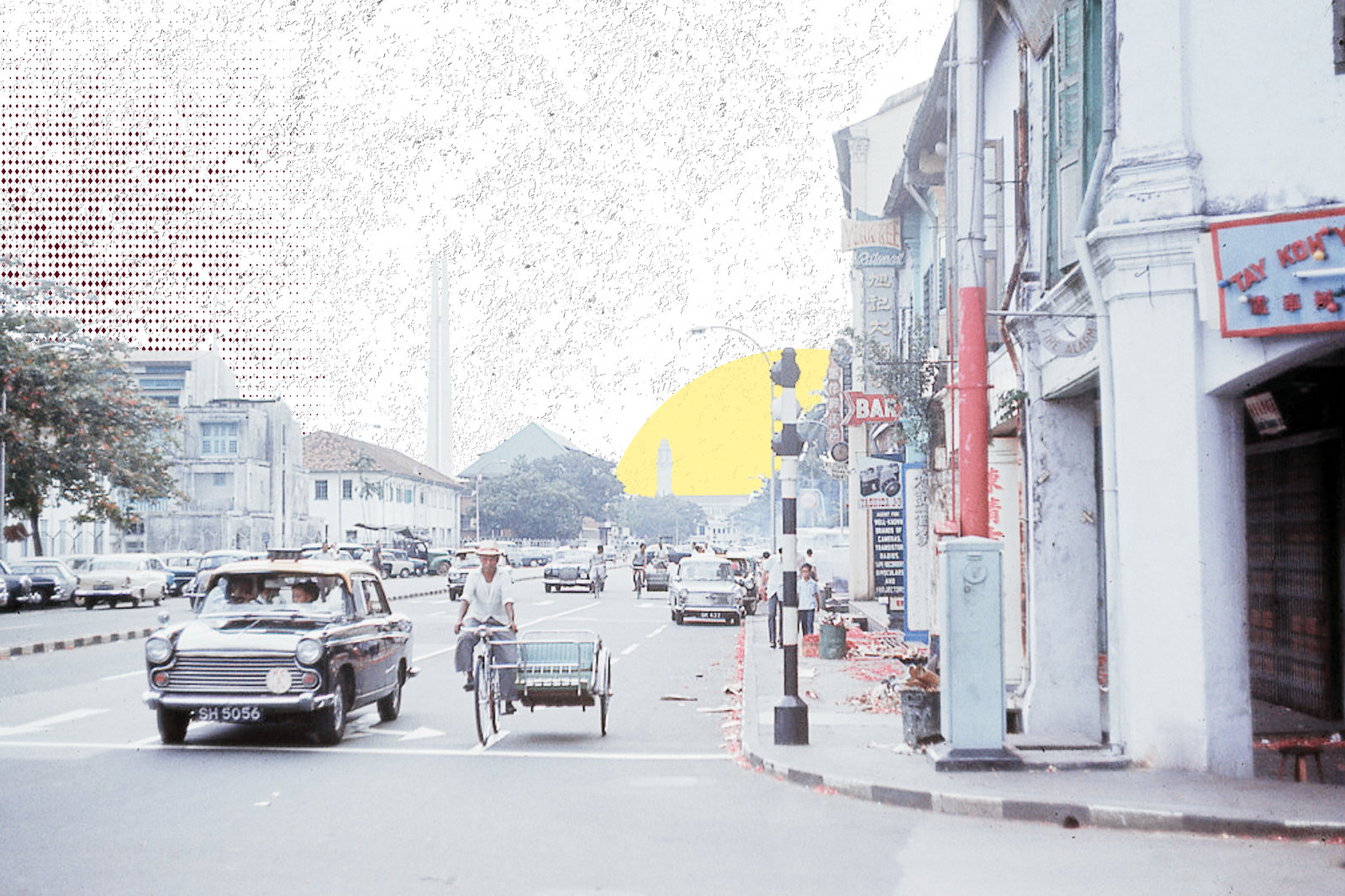
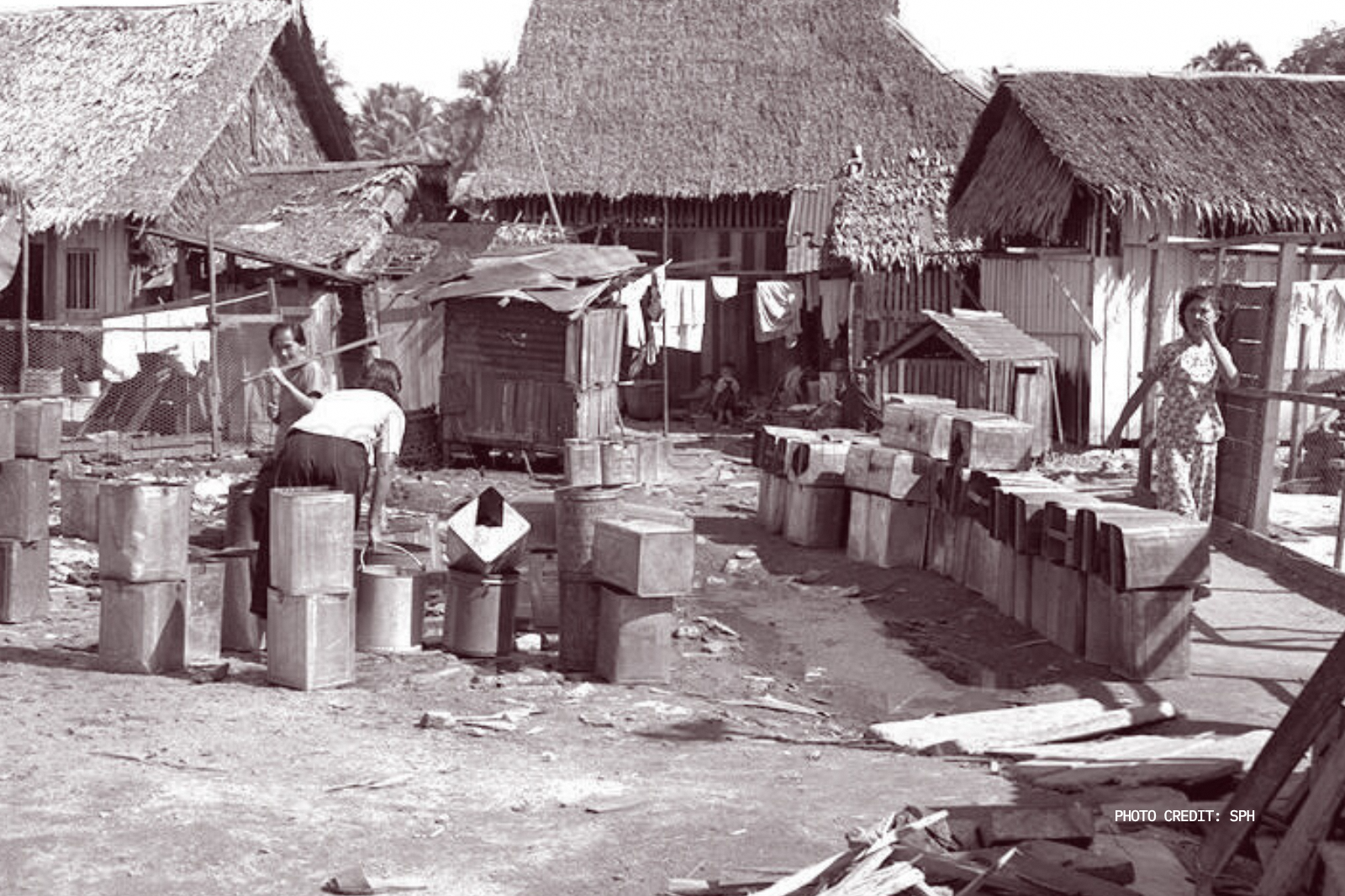
In the early 60s, less than 10% of Singaporeans lived in government flats, with many living in kampungs, haphazardly constructed squatter housing, and overcrowded shophouses. Building structures were often unsafe, and living conditions were far from ideal.
This was the backdrop for the development of what would be one of the world's most ambitious and successful public housing programmes.
The Singapore Improvement Trust (SIT) was set up in the 1920s, and its first project, Tiong Bahru Estate, began in the 1930s.
-

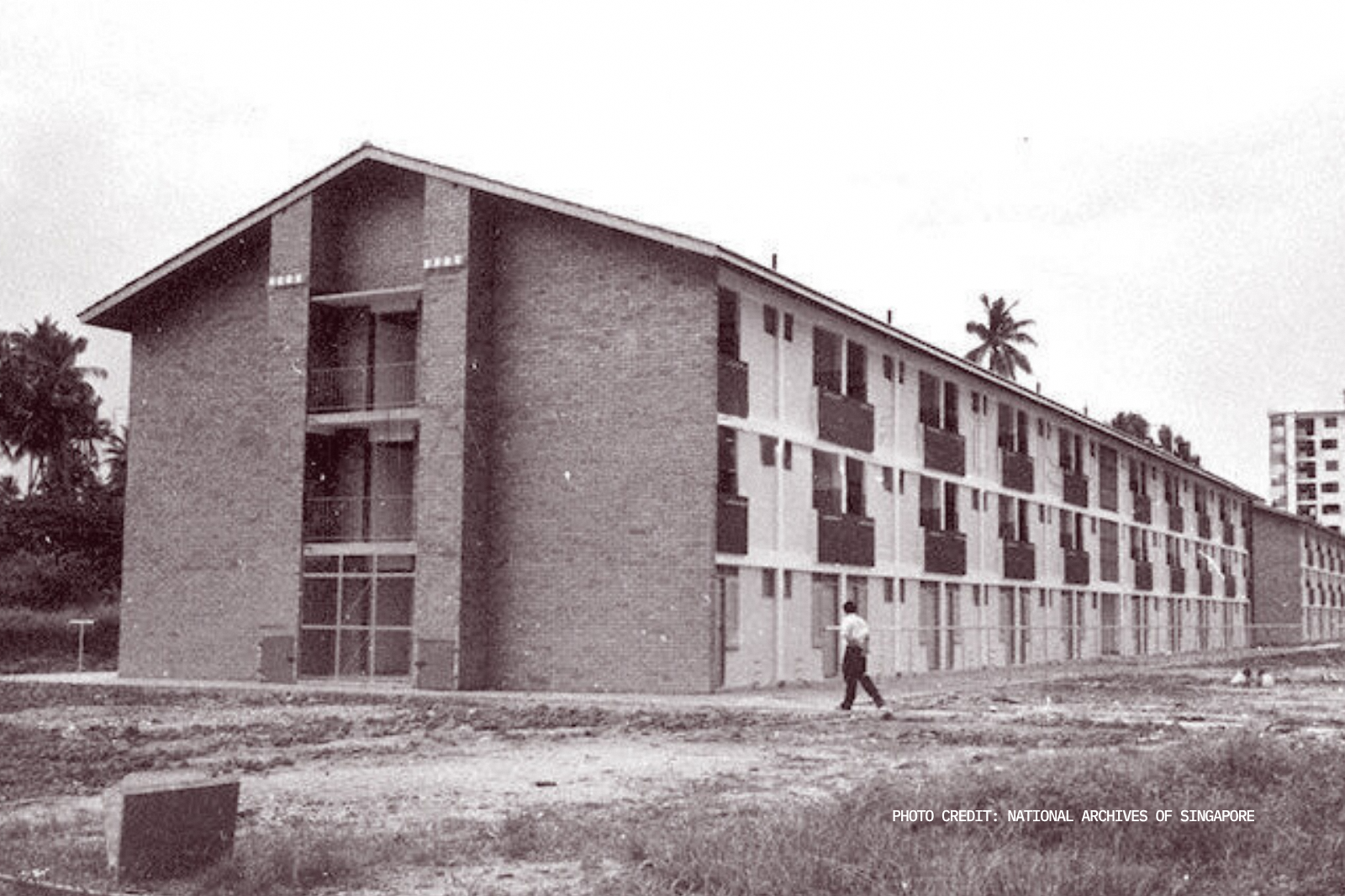
The Housing & Development Board was set up in 1961 to take up this mantle and address the post-war housing shortage.
HDB flats were designed to be simple yet functional, so they could be built quickly. With limited land, HDB began building homes upwards, and within five years, close to 55,000 high rise flats were built.
By the end of the 1960s, Singapore’s post-war housing crisis was largely resolved. To see how HDB dealt with key issues in those early years, click here.
-

In addition to creating safer, better-quality housing, Singapore also began looking to create better quality jobs, and set out on a massive undertaking to build up infrastructure and economic development.
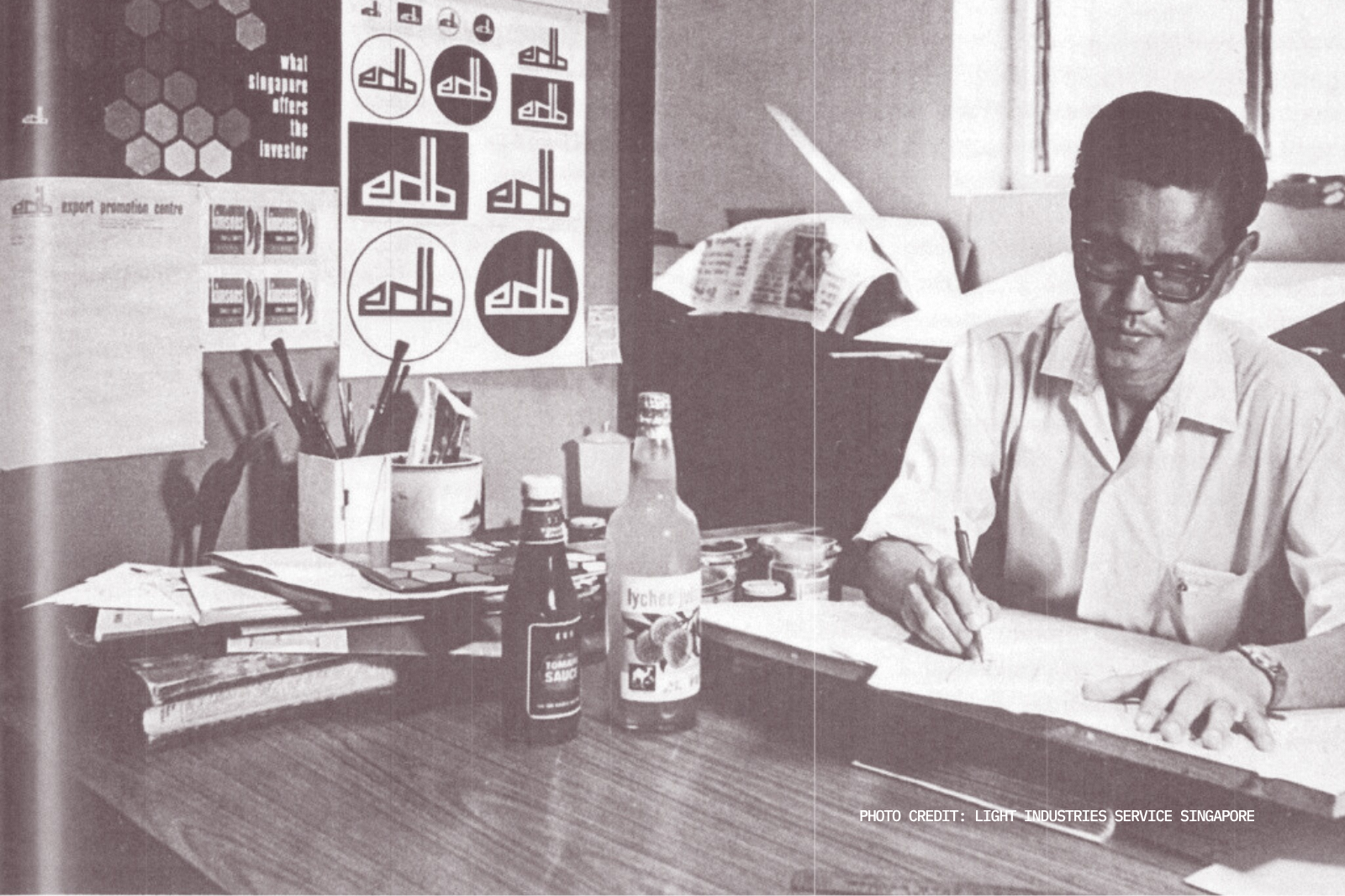
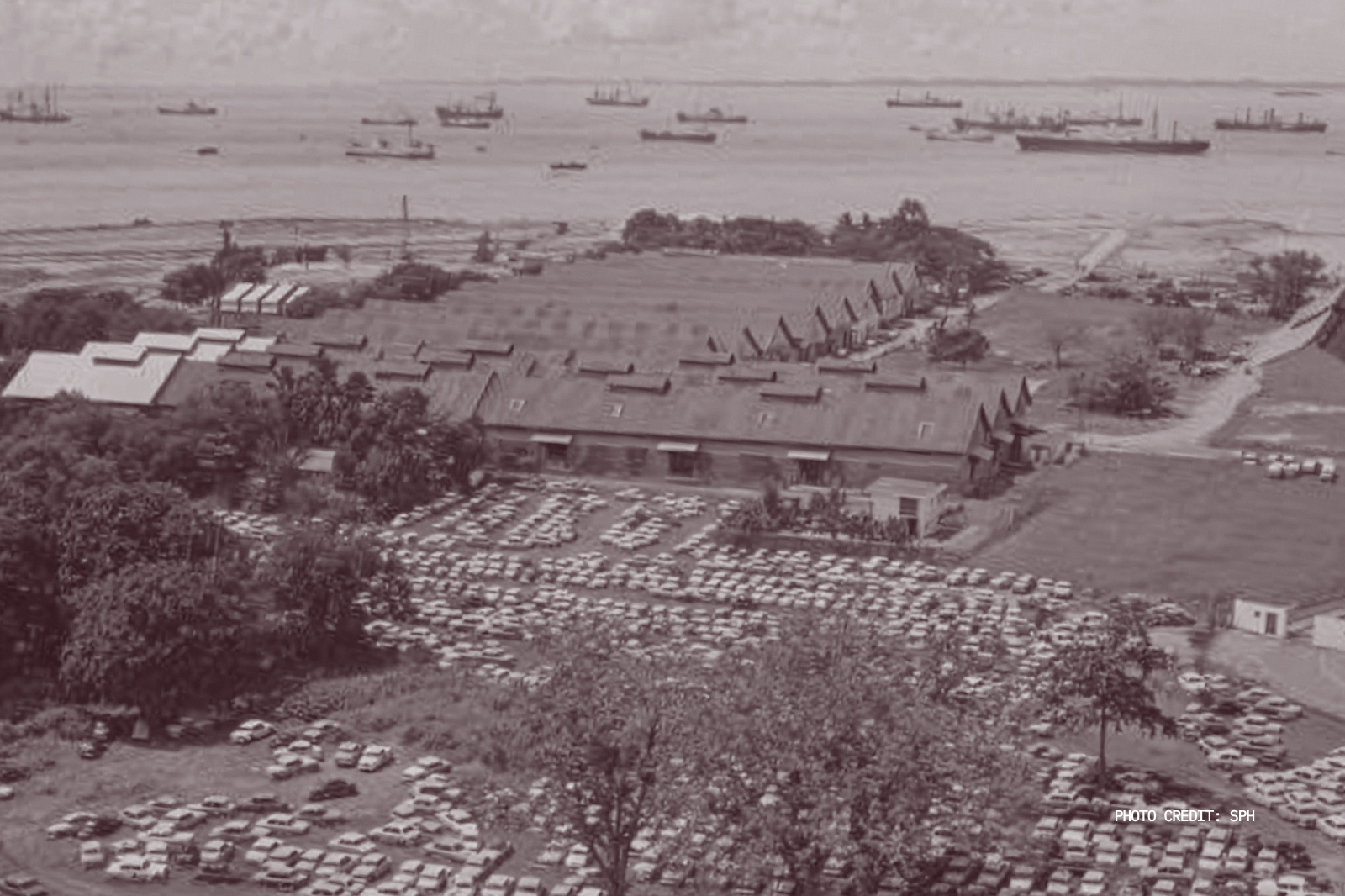
Set up in 1961, one of the Economic Development Board’s first tasks was to turn Jurong into an industrial estate. EDB also began work establishing Singapore as an attractive destination for foreign investment.
As Singapore ramped up its industrialisation plans, Jurong Town Corporation (now JTC) emerged from EDB as the specialist agency to spearhead the planning and development of industrial infrastructure for Singapore's economic development.
-

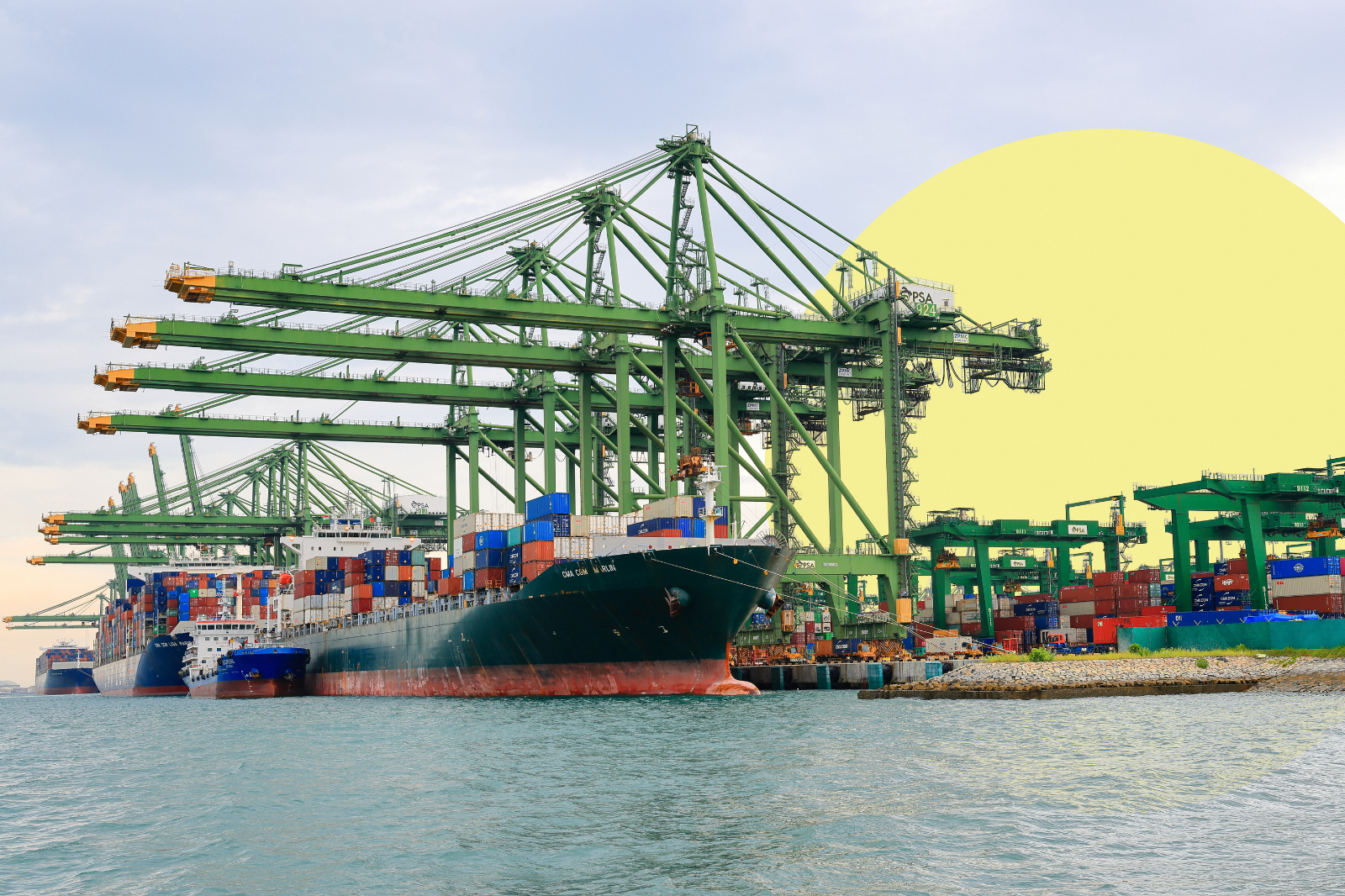
The Port of Singapore Authority (PSA) was established in 1964 to take over from the Singapore Harbour Board and manage all port operations, planning, and marine services.
Jurong Port was opened in 1965 to support the new Jurong Industrial Estate, while Tanjong Pagar Container Terminal, launched in 1972, marked Singapore’s entry into global container shipping.
By 1988, Singapore had become the world’s busiest port. Later, in 1996, the Maritime and Port Authority of Singapore (MPA) was formed to assume PSA’s regulatory and developmental functions when PSA was corporatised.
-

The 60s were a time of rapid change in Singapore, with newly set up Government agencies leading the charge in industrialisation and public works. To find out more about Singapore’s innovation journey, watch this space!
-