


Growing Conversations: The world awaits – Championing business growth across time zones


Growing Conversations – this is a series where we peel back the layers, sharing how Enterprise Singapore is innovating, disrupting and transforming from within to champion growth for our local businesses across industries. Read on to discover how we journey alongside them, wherever they are growing.
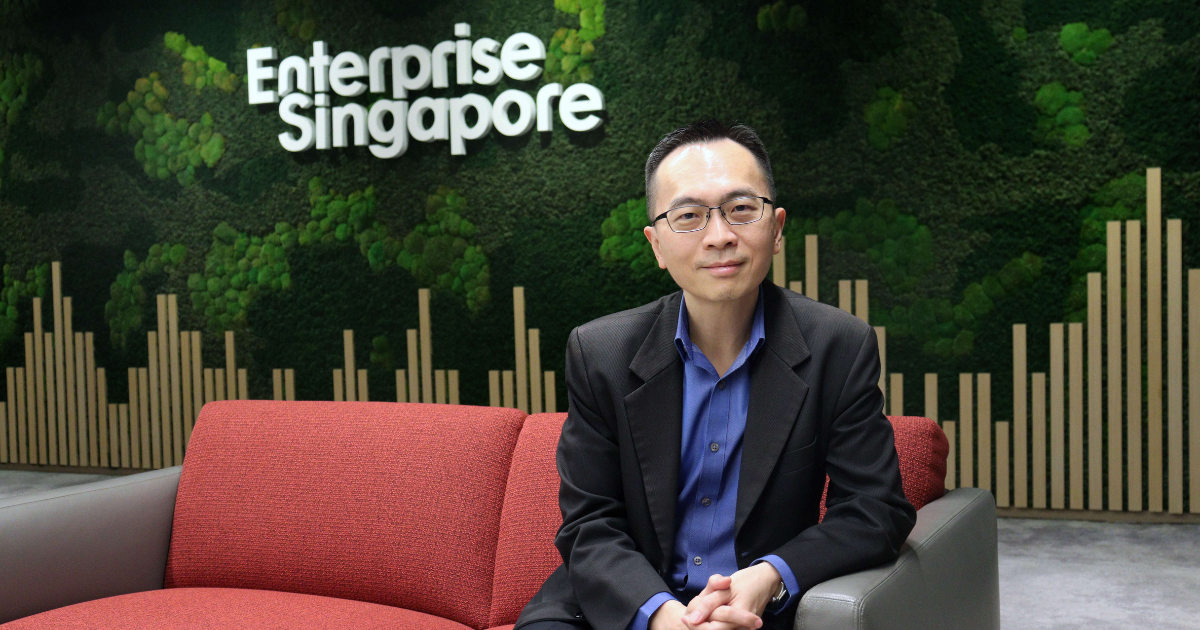
Over the past year, Johnny Teo has visited various countries, from nearby places like Japan and Australia to regions further afar such as the United States and Brazil.
As Assistant Managing Director for Americas, Europe, Northeast Asia & Oceania, Johnny is in the business of helping local businesses capture growth across time zones. In this instalment of our Growing Conversations series, he breaks down how Enterprise Singapore supports homegrown businesses looking to grow global.
Hi Johnny, word on the street is that you’ve had a hand in diverse portfolios across Enterprise Singapore. How long have you been here, and what portfolios have you been involved in?
Well, I started my career in the public sector in 2004, so this year is my 22nd year (congrats!) in public service. When I first joined, the agency was known as the Productivity and Standards Board (PSB). Thereafter, it was renamed to SPRING Singapore, before merging with International Enterprise Singapore to form Enterprise Singapore as we now know it.
I wasn’t always overseeing markets. I started out at the middle office, managing the development of new (technology) programmes and incentive policies. Thereafter, my portfolios shifted to the frontline, with stints in investments and startups, food and healthcare services, and emerging clusters such as advanced manufacturing and more. It was only in 2018 that I dipped my toes into the markets portfolio. Three years later, I took it on full-fledged.
In hindsight, both serendipity and interconnectedness have been at play in my journey thus far. My different experiences seem to have built on themselves in helping to shape my perspective and approach at work today.
Your experiences seem to have built on themselves – can you expand on that?
I’ll reel it back to my time at the PSB/SPRING Singapore. Back then, my role at the middle and policy offices helped me understand the considerations behind developing new programmes and incentives as an economic agency. We had to conduct international benchmarking, manage our fiduciary responsibilities, and ensure that government funds were properly administered in accordance with the policies set.
I then brought these insights into my investments and industry portfolio. These considerations remained at the back of my mind, especially when administering and implementing programmes to drive industry and ecosystem developments. I learnt to find the sweet spot, ensuring that funds were allocated for the most optimal intents and to secure the best outcomes possible for the projects we supported.
Coming to my portfolio in markets today, having dealt with various archetypes of companies and industries, I’ve gained a deeper understanding of our homegrown companies’ needs, and the types of in-market resources and partnerships that can best support their internationalisation growth efforts.
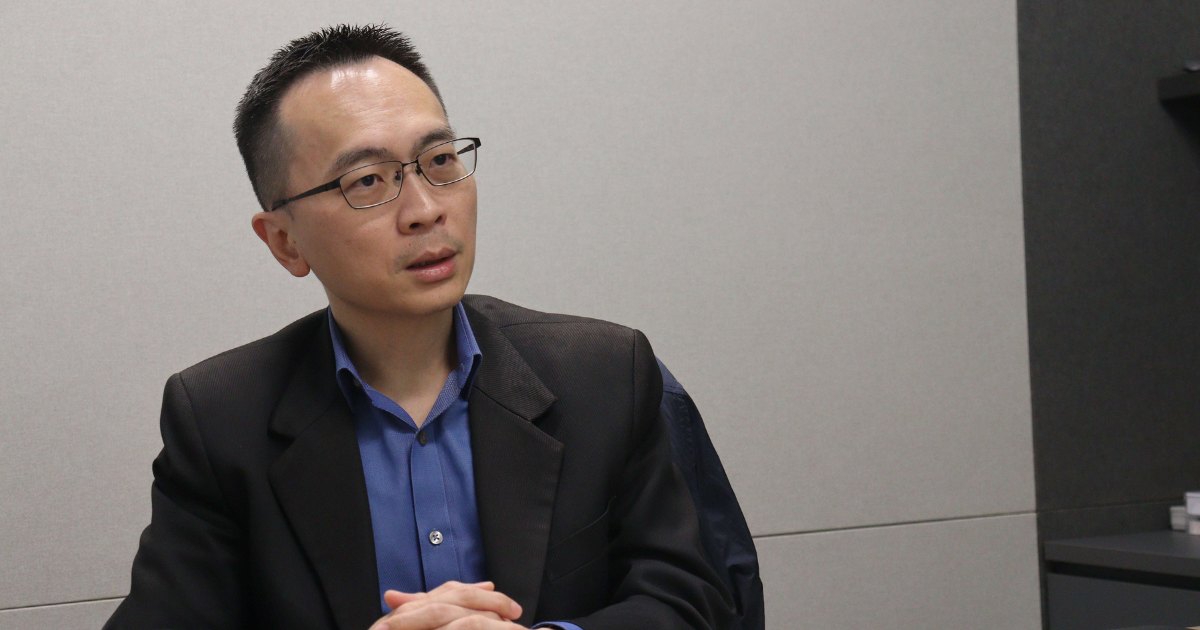
Let’s segue into your current markets portfolio at Enterprise Singapore. In layman’s terms, what does it mean to be a markets officer?
From my perspective, a markets officer’s day-to-day can be summarised into an ABC framework – Advocate, Bridge, Cultivate.
As part of our daily work, we advocate for the growth of our key sectors and companies across different markets. We also work in tandem with other government agencies to advocate ideas that are of national interest to us.
But advocacy on its own cannot stand. We also need to bridge opportunities we see in the markets with our companies, and Singapore. Beyond helping Singapore companies enter new markets, we also keep an eye out for developments and inbound leads that can add value to the companies in Singapore and the broader ecosystem. We work closely with our colleagues in the industry teams, as well as other agencies such as the Economic Development Board to achieve the latter.
As a markets officer, it is also important that we cultivate. The team is always cultivating new networks, partners and relationships in-market and on the ground, seeding new connections and support systems for our local businesses.
As the tariff and global business landscape continues to evolve, how is Enterprise Singapore supporting businesses in this new world order?
We’ve seen many developments over the past year, and changes are happening even as we speak. Today, we’re moving from what used to be a very globalised environment, into an increasingly de-globalised one. There’s a widening divide, and the consensus is that we’re entering a new paradigm.
From a business standpoint, this means that there is less homogeneity when doing business across markets. To thrive, companies must start adapting and embedding resiliency into their business models. Operating solely on the notion of competitive cost advantage will no longer stand; businesses must diversify to create new pathways for growth while mitigating risk.
To support businesses impacted by the tariffs, we have rolled out the Business Adaptation Grant to facilitate adaptation of business operations and supply chain resilience. Our Trade Resources for Businesses page is also regularly updated with the latest insights and tools to help businesses navigate global trade with confidence. We have also been bolstering our support internally, through our network of over 35 overseas centres. These centres represent Singapore on the international front and connect our local companies with opportunities and networks across the world.
We also collaborate with a suite of partners, from our local trade associations and chambers, to accelerators, investors and venture capitalists. They support our enterprises’ entrance into overseas markets, through programmes like the Global Innovation Alliance, international trade fairs and business missions. We’ve also partnered the Singapore Business Federation (SBF) to set up the Centre for the Future of Trade and Investment (CFOTI), providing businesses with guidance to navigate the evolving trade and tariff landscape.
That said, all these efforts are people-driven, which means that there’s a ceiling to the amount of support that we can provide. Moving forward, we will be leveraging digital channels to support our businesses. One example is our digital platform myEnterprise, which we’re currently beta-testing. Through myEnterprise, we hope to enhance businesses’ access to timely information and market advisory. Instead of seeking in-person consultations or making enquiries, enterprises can easily find the support they need on the platform, with personalised recommendations tailored to their priorities.
Have you observed any trends and opportunities across Americas, Europe, Northeast Asia & Oceania?
It’s a wide spectrum, but one can broadly classify my markets portfolio into two. On one hand are the more mature and developed economies like North America, Europe and Northeast Asia & Oceania, which tend to be good references and source markets for Singapore companies.
In fact, we are seeing strong interest from both larger Singapore companies and younger technology startups especially during the post-pandemic period, in areas such as precision medicine, offshore wind, and broader deep tech domains like AI and quantum.
Over the past year, we’ve also observed notable developments in Europe, which appears to be going through a period of significant change. Apart from growing interests from our homegrown companies in the region, we’re also seeing more inbound visits from European firms and business delegations to explore our part of the world.
On the other hand are what we broadly term emerging economies, which covers the likes of Eastern Europe and Central Asia, as well as Latin America. These markets also hold good propositions for Singapore firms seeking diversification and growth, particularly those who are prepared to take a longer-term view.
As these emerging economies undergo rejuvenation and infrastructure development, there are growing opportunities for our local businesses to participate and offer solutions, in areas such as food, finance and healthcare. These economies are also building their tech expertise, and often look to partner Singapore companies to bridge capability gaps, given the positive standing and reputation of our firms.
Across the different markets, how does the team determine what sectors to prioritise, and how do you support businesses looking to capture growth in these sectors?
For one, the priority sectors identified must make sense for our businesses. We do this by analysing supply and demand – for example, are our Singapore companies interested in the sector identified? And if so, do they have the capabilities to be competitive in these sectors in those markets?
We also get a sense for demand by speaking with various in-market stakeholders. Our overseas centres are always in conversation with counterparts from the government and private sector, to better understand the latest policies and uncover emerging trends and industries that our local companies can play to. With this in mind, we may consider organising a business mission overseas and facilitating business matching, to connect interested companies with the opportunities in the market.
Singapore to São Paulo: Building fintech bridges in Brazil
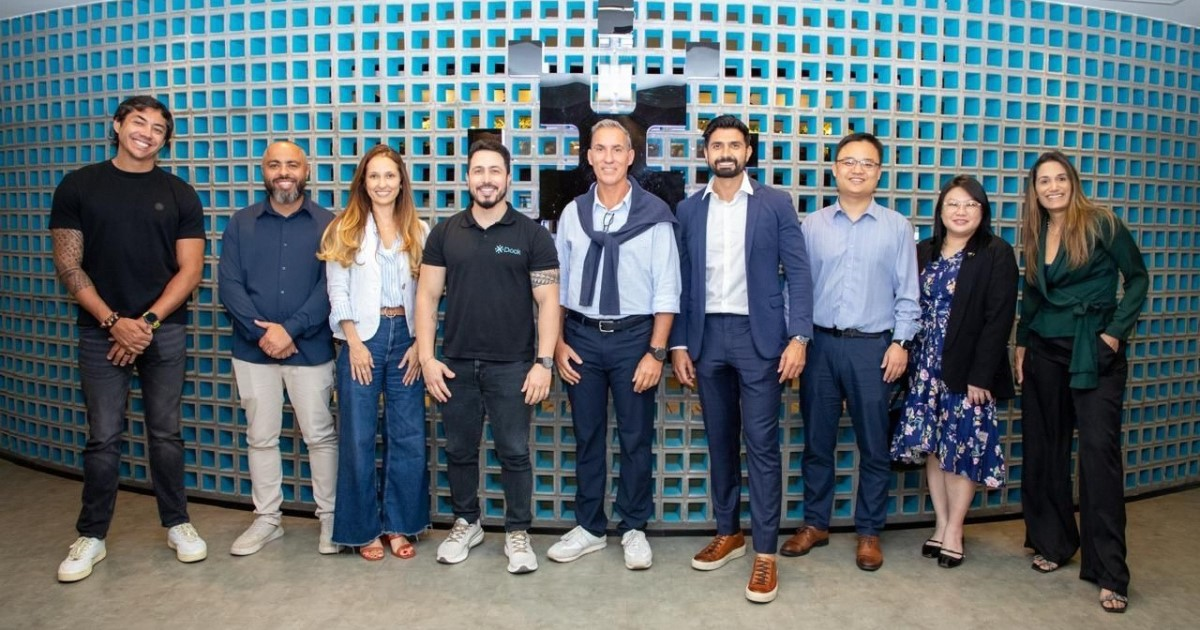
Home to Latin America’s largest fintech ecosystem, São Paulo was a hit destination for our Singapore companies. Over the past 2 years, we’ve brought Singapore-based fintech business delegations into the heart of Brazil’s dynamic fintech market, where they met with leading banks and tech aggregators to explore collaborations and unlock growth opportunities between Singapore and Brazil.
As demand grows, we then work with our industry teams to identify suitable platforms and in-market strategic partners to make our connections more structured. One example is Cedars-Sinai, one of the largest hospitals based out of Los Angeles (US). Today, we have a precision medicine Innovation Bridge programme with them, where they will avail time and resources to help our local companies validate solutions that can solve real-world needs. This is not just a proof-of-concept project as it also includes investments from SG Growth Capital. With the opportunity to get funded, companies can secure their track records and bolster their growth in the US and beyond. It’s a win-win for all parties.
Speaking of win-wins, are there any local companies whose global growth stories you’re particularly proud of?
As we’re on the topic of healthcare, one that comes to mind would be biotech startup Lucence, which is making breakthroughs in the precision medicine space with its non-invasive blood tests for cancer. In fact, Lucence is the first Asian company to secure US Medicare approval and is currently collaborating with Mayo Clinic Laboratories to bring the tests worldwide.
Beyond healthcare, renewable energy is another sector in which we are proactively helping our companies capture growth. This is especially in Europe and Northeast Asia and Oceania, where there is strong demand for green and sustainable energy. One company that stands out is Cyan Renewables, which has grown to become one of the largest offshore wind vessel owners globally.
Riding global offshore winds of growth

Founded in Singapore, Cyan Renewables is making global waves across key offshore wind markets, with over 11 offices spanning the UK, Australia, South Korea and beyond.
To support Cyan’s international growth, we connected the company with project developers and key stakeholders and strengthened its in-market presence through trade shows, summits and business missions.
Beyond building an international track record, these opportunities have enabled Cyan to showcase its expertise and commitment to supporting and delivering offshore wind projects, paving its entry into new markets like the UK, where it has since strengthened its presence following its majority acquisition of Aberdeen-based offshore support vessel operator Sentinel Marine.
Today, the rising offshore wind vessel owner is not only Australia’s largest marine operator, but also an established offshore wind player in the UK, owning and operating one of the country’s youngest and most advanced emergency response and rescue vessel (ERRV) fleets.
Given your diverse experience in enterprise development, what’s your advice on cultivating a growth mindset?
During the pandemic, I was posted to China and experienced the lockdown first-hand. I saw how businesses had to adapt to the constantly changing regulations, remain enterprising in their business approaches, and stay open to new opportunities.
In a way, we can draw parallels with the global fragmentation that we’re experiencing today. The world has evolved substantively over the past year, and it is still evolving. To navigate the global markets and transform successfully, our businesses must remain adaptable, enterprising and open to find new growth opportunities in the face of change. What’s important is that you understand your backyard well – know who you need to network with and stay in-tune with the market. That’s my advice.

Thank you for sharing your insights. Travelling across countries must be tiring. How do you rest and rewind outside of work?
I look forward to spending my weekends with my family. It’s my protected time, and we’ll go for a meal or bond over simple activities like a light jog in the park together.
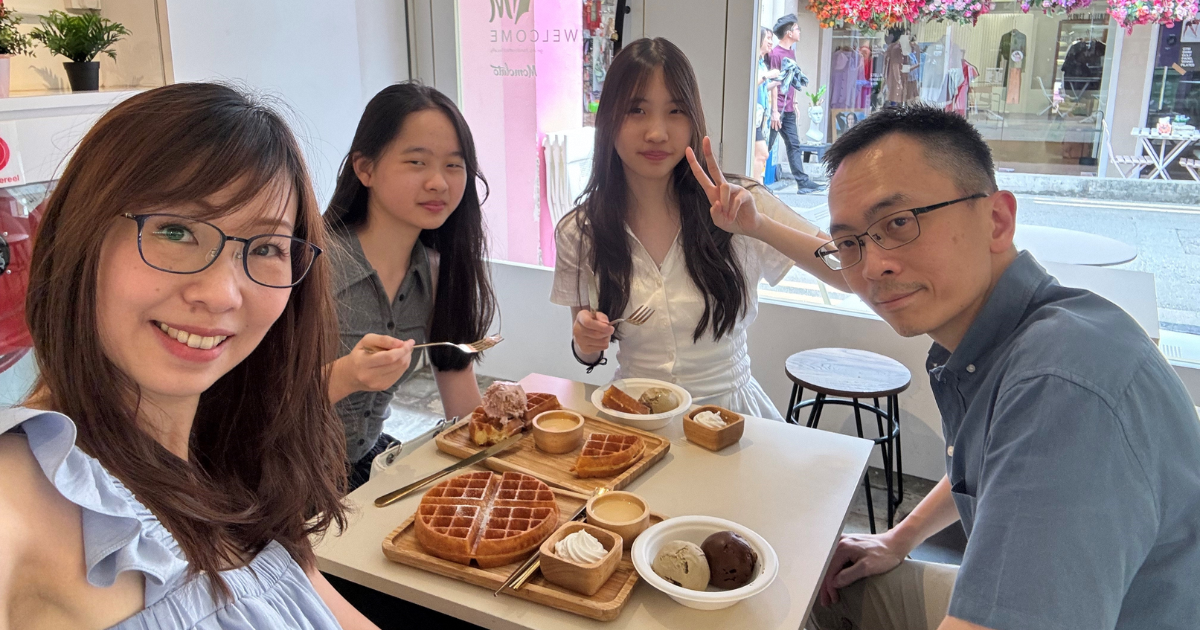
I’ve also rekindled my interest in books, to help me better understand some of the markets I oversee and keep abreast of what’s happening out there. A couple of interesting ones that come to mind include Abundance by Ezra Klein and Derek Thompson, which talks about the need for a pro-growth mindset to solve some of the contemporary challenges governments face, and Peak Human by Johan Norberg, which offers a reflection of how several civilisations across time have flourished and succeeded, and what led to their decline eventually.
Inspired to break into new markets? Find out how we can partner you, wherever you are growing.